
Introduction
Is keto safe?
It’s the question every doctor, nutritionist, and concerned family member asks when you mention trying the ketogenic diet. Google “is keto safe” and you’ll find conflicting headlines: “Keto Saved My Life” next to “Keto Could Kill You.”
Here’s what makes answering “is keto safe?” so confusing: both perspectives cherry-pick data. Health blogs emphasize dramatic weight loss stories while ignoring potential risks. Medical critics highlight worst-case scenarios from 1920s epilepsy research while dismissing modern evidence.
Medical Disclaimer: This article provides evidence-based information for educational purposes only. It is not medical advice and does not replace consultation with your healthcare provider. Always consult your doctor before starting any new diet, especially if you have existing health conditions or take medications.
The truth about whether keto is safe lives in the scientific literature—over 100 peer-reviewed studies published in the last decade examining ketogenic diet safety across different populations, timeframes, and health conditions.
Understanding whether keto is safe requires looking past headlines at actual peer-reviewed research. This guide answers “is keto safe?” with scientific evidence, not opinions.
This comprehensive guide examines the actual evidence. You’ll learn what happens to your body in ketosis, documented health benefits from clinical trials, potential side effects and how to manage them, who should avoid keto entirely, and how to do keto safely with medical monitoring.
By the end, you’ll have the complete scientific picture to make an informed decision with your doctor about whether keto is safe for your specific situation. When you’re ready to start, our guide on how to start keto provides a safe, step-by-step approach.
Let’s examine what the science really says.
Understanding Ketosis: The Biological Mechanism
Before addressing whether keto is safe, understand what ketosis actually does to your body. Knowing how ketosis works helps answer “is keto safe?”—the body’s natural ability to use ketones for fuel isn’t dangerous when approached correctly.
What is ketosis?
Ketosis is a metabolic state where your body burns fat for fuel instead of glucose (carbohydrates). When carbohydrate intake drops below 20-50g daily, your liver converts fatty acids into ketone bodies—molecules that replace glucose as your primary energy source.
The three main ketone bodies:
- Beta-hydroxybutyrate (BHB) – Primary fuel for brain and muscles
- Acetoacetate – Converted to BHB or used directly
- Acetone – Expelled through breath (causes temporary “keto breath”)
Ketosis vs. ketoacidosis—critical difference
Many people wondering “is keto safe?” confuse nutritional ketosis with diabetic ketoacidosis (DKA)—a life-threatening condition. They’re completely different:
Nutritional ketosis (keto diet):
- Blood ketones: 0.5-3.0 mmol/L
- Blood pH: Normal (7.35-7.45)
- Safe metabolic state
- Occurs with low carb intake
Diabetic ketoacidosis:
- Blood ketones: >10 mmol/L
- Blood pH: Dangerously acidic (<7.3)
- Medical emergency
- Occurs in uncontrolled Type 1 diabetes
Medical research confirms that nutritional ketosis maintains normal blood pH and cannot progress to ketoacidosis in people with functioning insulin production. Your body has built-in regulatory mechanisms preventing dangerous ketone accumulation.
This distinction matters when evaluating keto safety—nutritional ketosis operates within safe physiological ranges, while ketoacidosis is a pathological state requiring emergency treatment.
How long to reach ketosis?
Most people enter ketosis within 2-4 days of restricting carbohydrates below 20-50g daily. Blood ketone meters can verify ketosis objectively, though some people experience subtle signs like reduced hunger, increased energy, and the temporary acetone breath mentioned above.
Is Keto Safe? Evidence-Based Health Benefits from Research
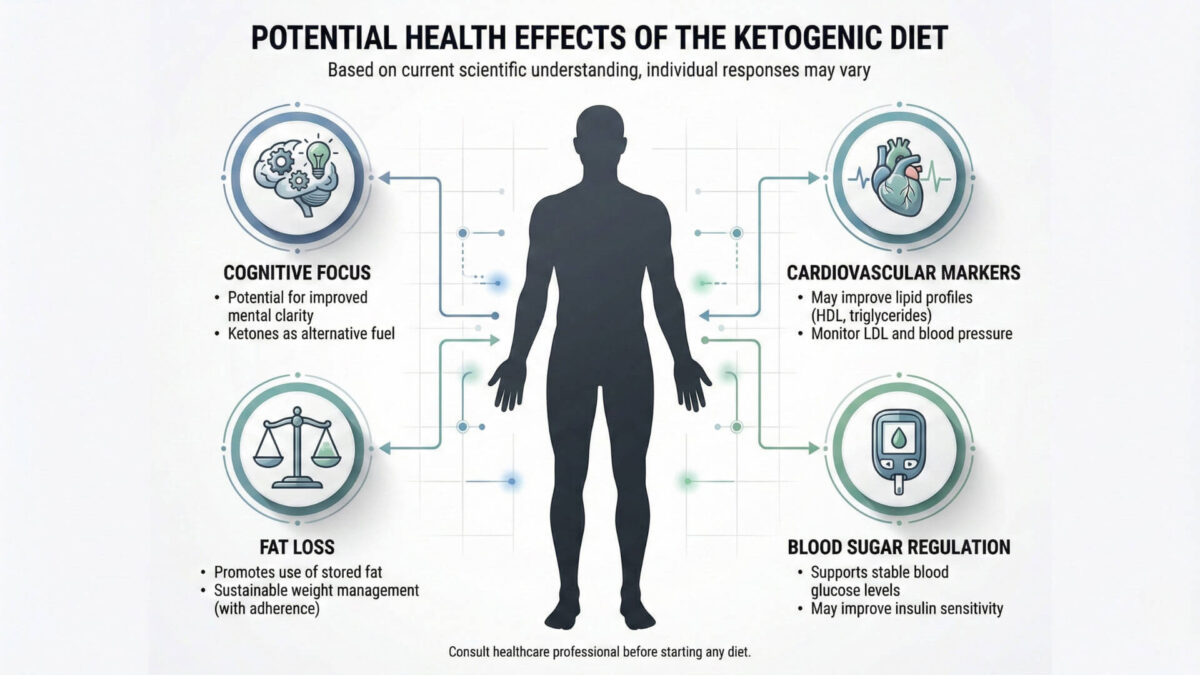
These benefits come from keto’s fundamental change in how your body fuels itself—switching from burning glucose to burning fat for energy creates the metabolic shift that drives these health improvements, which we explain in detail in our guide on what is the keto diet.
The ketogenic diet originated as a medical treatment for epilepsy in the 1920s and has extensive clinical research supporting specific health applications.
Weight Loss and Metabolic Health
Research findings:
A 2013 meta-analysis published in the British Journal of Nutrition examined 13 randomized controlled trials comparing ketogenic diets to low-fat diets. Results showed keto participants lost an average of 2 pounds more than low-fat dieters over 12+ months—a modest but consistent advantage.
More importantly, keto dieters experienced greater improvements in:
- Triglycerides (blood fats linked to heart disease)
- HDL cholesterol (protective “good” cholesterol)
- Blood pressure reductions
- Insulin sensitivity improvements
Why keto works for weight loss:
- Appetite suppression – Ketones reduce hunger hormones (ghrelin)
- Metabolic advantage – Fat oxidation increases energy expenditure slightly
- Water weight loss – Initial rapid weight loss improves motivation
- Protein preservation – Adequate protein intake maintains muscle mass
Type 2 Diabetes Management
Clinical evidence:
A 2017 study in Diabetes Therapy tracked 262 Type 2 diabetics on a ketogenic diet with medical supervision for one year. According to research published by medical institutions, participants following a ketogenic diet under supervision showed significant health improvements.
Results after 12 months:
- 94% reduced or eliminated diabetes medications
- Average HbA1c (3-month blood sugar average) dropped from 7.6% to 6.3%
- Average weight loss: 30.4 pounds
- Blood pressure improved significantly
The American Diabetes Association now recognizes low-carb eating patterns, including ketogenic diets, as effective medical nutrition therapy for Type 2 diabetes management.
Calculate your personalized keto macros to determine optimal protein, fat, and carbohydrate targets for your specific health goals.
Mechanism: By eliminating dietary carbohydrates that spike blood sugar, keto directly addresses the root metabolic dysfunction in Type 2 diabetes—carbohydrate intolerance.
Neurological Benefits
Epilepsy (original medical use):
The ketogenic diet remains a standard medical treatment for drug-resistant epilepsy, particularly in children. Studies show 30-40% of epilepsy patients who don’t respond to medications achieve >50% seizure reduction on keto, with 10-15% becoming seizure-free.
Potential cognitive benefits:
Emerging research suggests ketones may benefit brain health:
- Alzheimer’s disease – Small studies show improved cognitive function and memory
- Parkinson’s disease – Preliminary evidence suggests symptom improvement
- Traumatic brain injury – Ketones provide alternative brain fuel during recovery
- Mental clarity – Anecdotal reports of improved focus (limited clinical evidence)
Important: Neurological benefits require more research. Current evidence is promising but not conclusive for conditions beyond epilepsy.
Cardiovascular Health Markers
Lipid panel improvements:
Contrary to concerns about high fat intake, multiple studies show keto improves cardiovascular risk markers. Research from cardiovascular health studies demonstrates these consistent improvements across diverse populations.
- Triglycerides: Decrease 30-50% on average
- HDL cholesterol: Increases 10-15% (higher is protective)
- LDL particle size: Shifts from small dense (dangerous) to large fluffy (less concerning)
- Inflammatory markers: C-reactive protein (CRP) typically decreases
Blood pressure reductions:
Studies consistently show modest blood pressure decreases on keto, likely due to:
- Weight loss effects
- Reduced insulin levels (insulin promotes sodium retention)
- Improved vascular function
Cardiovascular disease note: Long-term cardiovascular outcomes (20+ years) remain understudied. Most keto research spans 6 months to 2 years.
Other Potential Benefits
Polycystic ovary syndrome (PCOS):
- Small studies show improved insulin sensitivity
- Reduced testosterone levels
- Improved menstrual regularity
- Weight loss benefits
Cancer research:
- Preliminary studies suggest ketones may reduce tumor growth in certain cancers
- Used as adjunct therapy in some clinical trials
- NOT a cancer treatment—research is early stage
Athletic performance:
- Endurance athletes can adapt to fat-burning
- Strength training performance may initially decrease
- Mixed evidence on competitive advantage
Is Keto Safe for Everyone? Medical Contraindications to Know
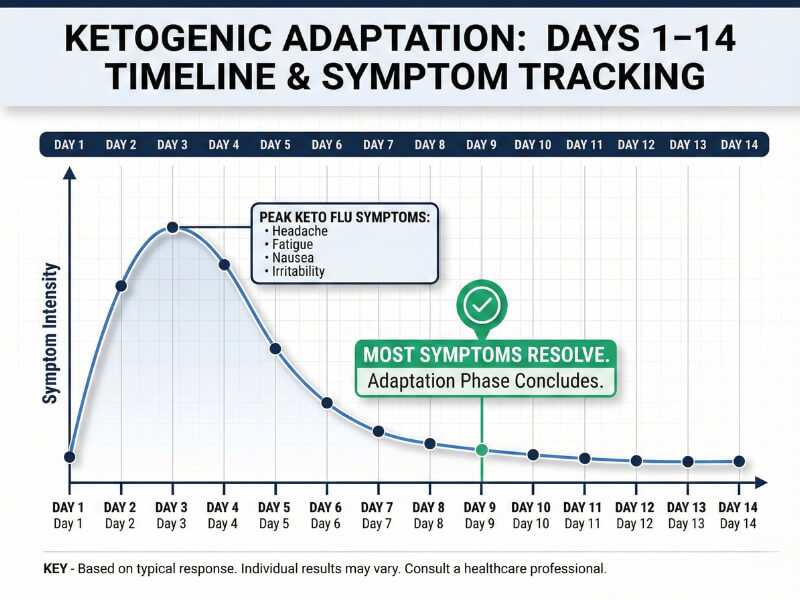
The good news is you can minimize or avoid most of these symptoms entirely—our step-by-step roadmap on how to start keto walks you through the gradual transition approach that prevents keto flu, maintains energy levels, and makes the first two weeks much easier than jumping in without a plan.
Keto is safe for most people, but temporary side effects are common during the adaptation phase. Understanding what’s normal versus concerning helps you navigate the transition safely.
The “Keto Flu” (Days 1-7)
What it is:
Keto flu describes temporary symptoms during the first week as your body transitions from glucose to fat metabolism. It’s not an actual flu—no virus or infection occurs.
Common symptoms:
- Headaches (most common)
- Fatigue and low energy
- Brain fog and difficulty concentrating
- Nausea and digestive upset
- Irritability and mood changes
- Muscle cramps
- Dizziness
Why it happens:
- Electrolyte depletion – Insulin drops rapidly, kidneys excrete sodium and water
- Carb withdrawal – Brain temporarily struggles with reduced glucose
- Fat adaptation lag – Enzymes for fat metabolism need 1-2 weeks to upregulate
How to minimize keto flu:
Increase electrolytes aggressively:
- Sodium: 3,000-5,000mg daily (add salt to water, broth, food)
- Potassium: 3,000-4,000mg daily (avocados, spinach, salmon, supplements)
- Magnesium: 300-400mg daily (pumpkin seeds, almonds, supplement at bedtime)
Stay hydrated: Drink 8-12 cups water daily—more if exercising.
Gradual carb reduction: Some people benefit from reducing carbs over 1-2 weeks instead of immediately.
Adequate calories: Don’t restrict calories during first 2 weeks—focus on carb restriction only.
Most keto flu symptoms resolve within 7-10 days as fat adaptation occurs. If symptoms persist beyond 2 weeks or worsen, consult your doctor.
Digestive Changes
Constipation (common):
Causes:
- Reduced fiber from eliminating grains and fruits
- Dehydration from water loss
- Inadequate vegetable intake
Solutions:
- Eat 4-6 cups low-carb vegetables daily (spinach, broccoli, cauliflower)
- Supplement psyllium husk or chia seeds
- Increase water intake
- Add MCT oil (start small—1 tsp daily)
- Consider magnesium citrate supplement (natural laxative effect)
Diarrhea (less common):
Causes:
- Too much fat too quickly
- MCT oil overconsumption
- Artificial sweeteners (sugar alcohols)
Solutions:
- Reduce fat intake temporarily
- Limit MCT oil to 1 tablespoon daily
- Avoid sugar alcohols (erythritol, xylitol, sorbitol)
- Allow 2-3 weeks for digestive adaptation
Bad Breath (“Keto Breath”)
What causes it:
Acetone (a ketone body) expelled through breath creates a fruity or metallic odor. This is actually a sign ketosis is working.
How long it lasts:
Typically 1-3 weeks as your body becomes more efficient at using ketones. Some people experience it intermittently long-term.
Management:
- Increase water intake
- Chew sugar-free gum (avoid sugar alcohols if sensitive)
- Brush teeth more frequently
- Use mouthwash
- Know it’s temporary and indicates successful ketosis
Sleep Disruption (First 1-2 Weeks)
Common complaints:
- Difficulty falling asleep
- Waking frequently
- Vivid dreams or nightmares
- Early morning waking
Why it happens:
- Initial energy surge from ketones
- Cortisol changes during metabolic shift
- Reduced serotonin from lower carb intake
Solutions:
- Take magnesium glycinate before bed (promotes relaxation)
- Maintain consistent sleep schedule
- Reduce caffeine after 2 PM
- Consider eating small amount of carbs (15-20g) at dinner temporarily
- Most sleep normalizes within 2-3 weeks
Menstrual Cycle Changes (Women)
Potential effects:
- Irregular periods (first 2-3 months)
- Heavier or lighter flow
- PMS symptom changes
- Missed periods (especially with aggressive calorie restriction)
Why it happens:
- Fat loss releases stored estrogen
- Hormonal adjustments to new metabolic state
- Calories too low (triggers protective mechanisms)
When to see a doctor:
- Missed periods for 3+ months
- Severe menstrual pain
- Concerning bleeding changes
Management:
- Eat adequate calories (don’t combine keto with severe restriction)
- Track cycle changes
- Most women report cycle normalization after 3-4 months
- Some women experience improved PCOS symptoms
Who Should NOT Do Keto: Medical Contraindications
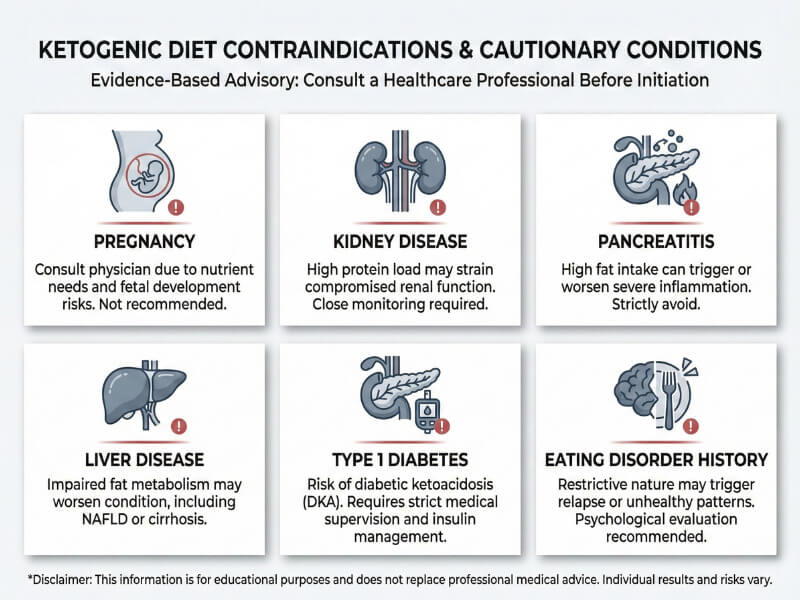
While keto is safe for most healthy adults, specific medical conditions make it potentially dangerous without medical supervision or entirely contraindicated.
Absolute Contraindications (Do NOT Do Keto)
1. Pancreatitis or pancreatic insufficiency
High fat intake requires significant pancreatic enzyme production. Impaired pancreas function cannot safely process keto’s fat load, risking severe complications.
2. Liver failure or severe liver disease
The liver produces ketones. Severe liver dysfunction makes ketone production dangerous or impossible, potentially causing metabolic crises.
3. Fat metabolism disorders
Rare genetic conditions affecting fat oxidation make ketogenic diets extremely dangerous:
- Carnitine deficiency (primary)
- Carnitine palmitoyltransferase (CPT) I or II deficiency
- Carnitine translocase deficiency
- Mitochondrial fat oxidation disorders
If you have a diagnosed metabolic disorder, keto is contraindicated without specialized medical supervision.
4. Porphyria
This rare metabolic disorder affecting heme production can be triggered or worsened by ketogenic diets.
Requires Medical Supervision (Do NOT Start Alone)
1. Type 1 diabetes
Risk of diabetic ketoacidosis is real and potentially fatal. Type 1 diabetics attempting keto require:
- Endocrinologist supervision
- Frequent blood glucose and ketone monitoring
- Insulin dosage adjustments
- Emergency protocols
Never attempt keto as a Type 1 diabetic without explicit medical approval and monitoring.
2. Type 2 diabetes on medications
Keto rapidly lowers blood sugar. If taking diabetes medications (especially insulin or sulfonylureas), hypoglycemia (dangerously low blood sugar) can occur quickly.
Required before starting:
- Doctor consultation and approval
- Medication adjustment plan
- Blood glucose monitoring protocol
- Hypoglemia treatment plan
3. Kidney disease (stages 3-5)
High protein intake (common on keto) stresses compromised kidneys. Additionally:
- Potassium restriction often required in kidney disease
- Many keto foods are high potassium
- Waste product clearance impaired
Requires nephrologist consultation and customized approach.
4. History of eating disorders
Keto’s restrictive nature can trigger:
- Binge-restrict cycles
- Obsessive food thoughts
- Disordered eating patterns
- Body dysmorphia
Mental health should be prioritized over any diet approach.
Special Populations Requiring Caution
Pregnant and breastfeeding women:
Pregnancy: Not recommended. Developing fetus needs glucose for optimal brain development. No long-term safety data exists.
Breastfeeding: Ketosis may reduce milk supply in some women. Nutritional demands increase during lactation—restrictive diets not advised.
For comprehensive guidance on female-specific considerations, see our detailed guide on keto for women.
Children and adolescents:
Only under medical supervision for specific conditions (epilepsy, metabolic disorders). Growing bodies have different nutritional needs than adults.
Older adults (65+):
Generally safe with precautions:
- Higher protein intake needed (maintain muscle mass)
- Medication interactions more common
- Dehydration risk higher
- Bone health monitoring recommended
Athletes in season:
Performance may decline during fat adaptation (2-6 weeks). Consider off-season timing for transition.
People on multiple medications:
Keto affects drug metabolism and effectiveness. Requires pharmacist/doctor review of:
- Blood pressure medications (may need reduction)
- Diabetes medications (require adjustment)
- Diuretics (electrolyte interactions)
- SGLT2 inhibitors (DKA risk in Type 2 diabetes)
Keto Safety for Different Populations
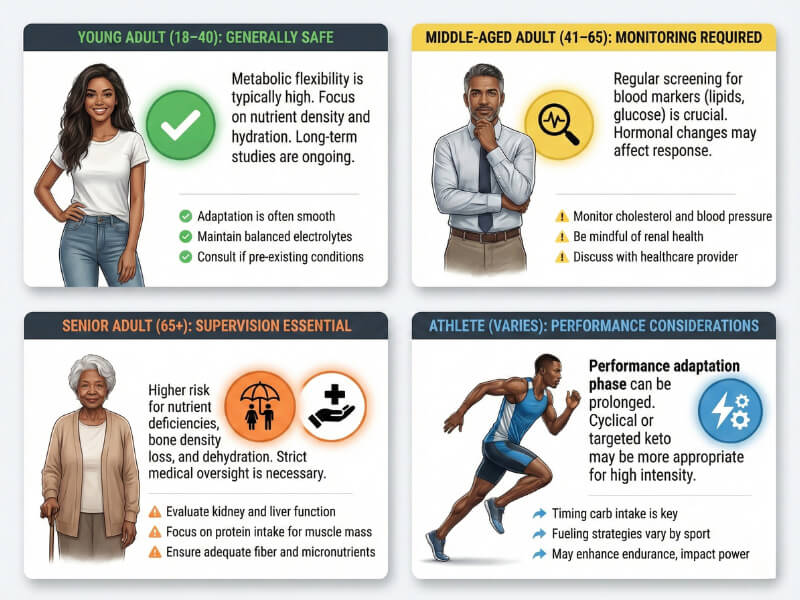
Different groups experience keto differently. Understanding population-specific considerations optimizes safety and outcomes.
Men vs. Women
Metabolic differences:
Men typically experience:
- Faster entry into ketosis (2-3 days)
- More dramatic initial weight loss (water weight)
- Fewer hormonal disruptions
- Less appetite suppression initially
Women typically experience:
- Slower ketosis entry (3-5 days)
- More pronounced keto flu symptoms
- Hormonal fluctuations (especially first 3 months)
- Stronger appetite suppression
- Menstrual cycle changes
Safety considerations for women:
- Don’t combine keto with severe calorie restriction
- Eat adequate protein (0.8-1.0g per pound body weight)
- Monitor menstrual cycle changes
- Consider carb cycling around menstruation (add 30-50g carbs 3 days before period)
- Consult doctor if cycles stop for 3+ months
Age-Specific Considerations
Adults 18-50 (generally safe):
- Most studies focus on this age group
- Fewest contraindications
- Best documented safety profile
- Standard keto approach works well
Adults 50-65 (safe with monitoring):
- Higher medication use (require review)
- Increased cardiovascular disease risk (lipid monitoring)
- Bone density concerns (ensure adequate calcium, vitamin D)
- May need higher protein (1.0g per pound body weight)
Adults 65+ (requires medical supervision):
- Medication interactions more common
- Muscle loss risk (sarcopenia)—prioritize protein
- Dehydration risk higher
- More frequent health monitoring recommended
- Consider modified keto (50-75g carbs daily) if strict keto too restrictive
Athletic Performance and Safety
Endurance athletes:
- Fat adaptation takes 4-8 weeks
- Performance initially declines, then matches or exceeds previous levels
- Works well for ultra-endurance (marathons, ultra-running, cycling)
- Reduced glycogen means less water retention (lighter body weight)
Strength/power athletes:
- High-intensity performance may suffer (glycogen-dependent)
- Consider targeted ketogenic diet (TKD)—add 25-50g carbs around workouts
- Ensure adequate protein (1.0-1.2g per pound body weight)
- Creatine supplementation recommended
Safety for athletes:
- Electrolyte needs higher (more sodium loss through sweat)
- Hydration critical
- Monitor performance metrics
- Consider off-season implementation
Common Myths vs. Scientific Facts
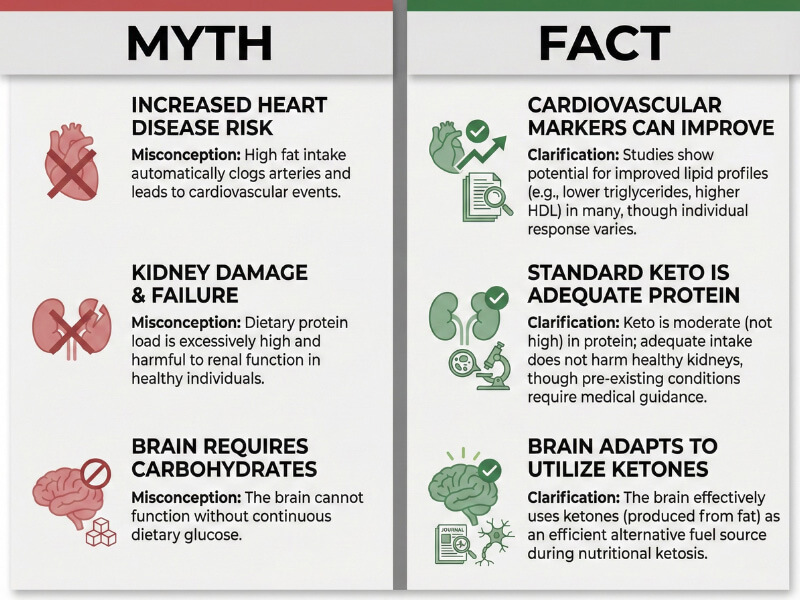
Misinformation about keto safety persists despite extensive research. Let’s address the most common myths with scientific evidence.
Myth #1: “Keto Causes Heart Disease”
The concern: High saturated fat intake will clog arteries and cause heart attacks.
The science:
This fear comes from outdated diet-heart hypothesis from the 1960s. Modern research shows:
- Saturated fat’s role in heart disease is more nuanced than previously thought
- Keto typically improves cardiovascular risk markers (triglycerides, HDL, blood pressure)
- LDL cholesterol may increase but often shifts to less dangerous large particles
- Inflammation markers typically decrease
The caveat: Some people experience significant LDL increases on keto (“hyper-responders”). If your LDL rises above 190 mg/dL or you have existing cardiovascular disease, work with a lipid specialist to interpret results and adjust approach.
Verdict: For most people, keto improves cardiovascular markers. Individual monitoring is essential.
Myth #2: “Keto Destroys Your Kidneys”
The concern: High protein intake damages kidney function.
The science:
This myth confuses keto with high-protein diets:
- Keto is moderate protein (20-25% of calories), not high protein
- Studies show no kidney damage in people with normal kidney function
- High protein only problematic for existing kidney disease
Multiple studies tracking kidney function (glomerular filtration rate, creatinine, blood urea nitrogen) show no deterioration in healthy individuals following ketogenic diets for up to 2 years.
The caveat: If you have diagnosed kidney disease, keto requires medical supervision and likely protein restriction.
Verdict: Keto is safe for kidneys in healthy individuals. Existing kidney disease requires medical guidance.
Myth #3: “Your Brain Needs Carbs to Function”
The concern: The brain requires glucose, so very low carb intake causes brain damage.
The science:
The brain does prefer glucose, but:
- The brain adapts to use ketones as primary fuel (up to 70% of energy from ketones)
- Your liver produces necessary glucose via gluconeogenesis (making glucose from protein/glycerol)
- Ketones are actually a more efficient brain fuel (produce more ATP per oxygen consumed)
Neurological studies show:
- No cognitive impairment on ketogenic diets
- Some studies show improved focus and mental clarity
- Ketones are neuroprotective in certain conditions (epilepsy, Alzheimer’s research)
Verdict: The brain functions excellently on ketones. No carbohydrate intake required for normal brain function.
Myth #4: “Keto Causes Muscle Loss”
The concern: Without carbs, your body burns muscle for energy.
The science:
Research consistently shows keto preserves lean muscle mass when:
- Protein intake is adequate (0.8-1.0g per pound body weight)
- Resistance training continues
- Calories aren’t excessively restricted
Studies comparing keto to low-fat diets show similar or better muscle preservation on keto despite similar weight loss. Ketones have a “protein-sparing” effect—they reduce the need to break down muscle for glucose.
The caveat: Inadequate protein or severe calorie restriction can cause muscle loss on any diet.
Verdict: Keto preserves muscle when protein intake and exercise are appropriate.
Myth #5: “Keto Is Just a Fad Diet”
The concern: It’s trendy with no scientific backing.
The science:
- Medical treatment for epilepsy since 1920s
- Over 100 peer-reviewed studies in last decade
- Recognized by American Diabetes Association for Type 2 diabetes management
- Documented metabolic mechanisms (not based on pseudoscience)
Verdict: Keto is a well-researched therapeutic diet with 100+ years of medical use. Current popularity doesn’t negate scientific foundation.
Medical Monitoring: When to See a Doctor
📋 FREE DOWNLOAD: KETO SAFETY CHECKLIST & MEDICAL MONITORING GUIDE
Know exactly which health markers to track, when to see your doctor, and warning signs that require immediate attention.
Includes: Pre-keto medical tests, monthly monitoring checklist, red flag symptoms, and doctor discussion guide.
Proper medical oversight maximizes keto safety. Here’s when professional consultation is essential.
Before Starting Keto
Schedule a doctor visit if you:
- Take any prescription medications
- Have any chronic health conditions
- Are over 50 years old
- Have a family history of heart disease or diabetes
- Have a personal history of eating disorders
Baseline tests to request:
- Complete metabolic panel (kidney and liver function)
- Lipid panel (cholesterol, triglycerides)
- Hemoglobin A1c (blood sugar average)
- Blood pressure measurement
- Thyroid panel (TSH, T3, T4) if history of thyroid issues
These baseline values allow comparison after 3-6 months on keto to verify safety and effectiveness.
Regular Monitoring Schedule
First 2 weeks:
- Daily symptom tracking (keto flu management)
- Blood glucose monitoring if diabetic (multiple times daily)
- Blood pressure if hypertensive (every 2-3 days)
Month 1:
- Weight and measurements
- Symptom assessment
- Medication adjustments if needed (especially diabetes/blood pressure meds)
Month 3:
- Repeat blood work (lipid panel, metabolic panel, A1c)
- Compare to baseline
- Adjust approach based on results
Every 6 months:
- Complete lipid panel
- Metabolic panel
- Hemoglobin A1c
- Blood pressure
- Weight and body composition
Warning Signs Requiring Immediate Medical Attention
Seek emergency care for:
- Severe chest pain or pressure
- Difficulty breathing
- Extreme confusion or inability to think clearly
- Seizures (if not previously diagnosed with epilepsy)
- Severe abdominal pain
- Persistent vomiting (unable to keep fluids down 24+ hours)
Call your doctor within 24 hours for:
- Blood sugar below 70 mg/dL (if diabetic on medications)
- Severe persistent headache (beyond typical keto flu)
- Rapid or irregular heartbeat (palpitations)
- Extreme fatigue not improving after 2 weeks
- Unexplained persistent nausea
- Significant mental health changes (depression, anxiety worsening)
Schedule a doctor visit if:
- Keto flu symptoms persist beyond 2 weeks
- Weight loss stalls for 6+ weeks despite adherence
- New concerning symptoms develop
- You want to adjust medications
- Pregnancy is desired or occurs
Working With Healthcare Providers
Finding keto-informed practitioners:
Not all doctors are familiar with ketogenic diet research. If your doctor is dismissive without evidence-based reasoning, consider:
- Requesting specific concerns in writing
- Bringing published research to appointments
- Seeking a second opinion from an integrative or functional medicine practitioner
- Finding a registered dietitian with low-carb/keto training
Productive doctor conversations:
- Share this article’s scientific references
- Request specific health marker monitoring
- Ask evidence-based questions
- Discuss medication adjustments proactively
- Report both positive and negative changes
Is Keto Safe Long-Term? What Research Shows
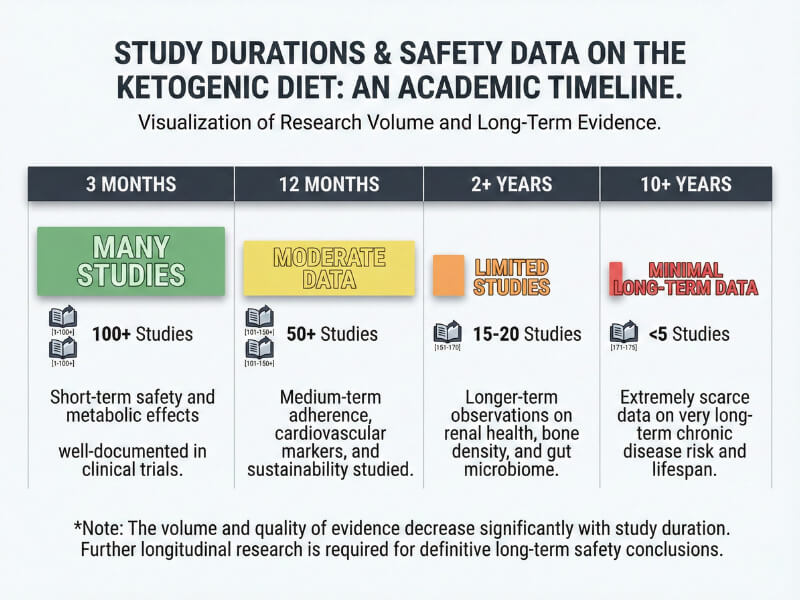
A common concern: “Is keto safe long-term?” Here’s what research reveals about extended ketogenic diet use.
Short-Term Safety (0-6 months): Well-Established
Research quantity: 50+ randomized controlled trials
Findings:
- Safe for healthy adults
- Predictable side effects (keto flu, temporary)
- Consistent metabolic improvements
- No serious adverse events in properly screened participants
Confidence level: Very high—extensive research confirms short-term safety.
Medium-Term Safety (6-24 months): Well-Documented
Research quantity: 15-20 studies following participants 12-24 months
Findings:
- Safety profile remains positive
- Metabolic benefits typically sustained
- Some participants experience LDL increases (variable)
- Adherence becomes challenging (50-70% continue beyond 1 year)
- No increased cardiovascular events or serious health complications
Notable studies:
- Virta Health study (2017-2018): 262 Type 2 diabetics followed for 2 years showed sustained health improvements with no safety concerns
- Multiple epilepsy studies: Children maintained on keto for 2+ years show excellent safety profiles
Confidence level: High—multiple studies confirm safety through 2 years.
Long-Term Safety (2-10 years): Limited But Positive
Research quantity: 5-10 studies, mostly in epilepsy populations
Findings:
- Children with epilepsy maintained on keto for 3-6 years show normal growth and development
- Adult case reports of 5-10+ years show no metabolic deterioration
- Bone health requires monitoring (calcium, vitamin D supplementation often needed)
- Most long-term users cycle on/off keto rather than maintain strict adherence indefinitely
Limitations:
- Small sample sizes
- Self-selected populations (those who tolerate keto well continue)
- Lack of controlled trials beyond 2 years
Confidence level: Moderate—available data is positive but limited.
Very Long-Term Safety (10+ years): Insufficient Data
Reality: No large-scale controlled studies tracking ketogenic dieters for 10+ years exist.
What we know:
- Indigenous populations consuming high-fat, low-carb traditional diets (Inuit, Maasai) show no inherent health problems from macronutrient ratios
- Individual case reports of 10+ years on keto show sustained health
- Medical populations (epilepsy patients) maintain keto for many years safely
What we don’t know:
- Population-level cardiovascular outcomes over decades
- Cancer risk associations with very long-term use
- Bone density impacts over 20+ years
- Cognitive function in elderly after decades on keto
Practical Long-Term Approach
Given limited very-long-term data, many health practitioners recommend:
Option 1: Cyclical approach
- 6-12 months strict keto
- 1-3 months moderate carb (100-150g daily)
- Repeat based on goals and response
Option 2: Sustained with monitoring
- Continue keto indefinitely if:
- Annual bloodwork remains optimal
- You feel excellent
- No concerning symptoms develop
- Medical supervision continues
Option 3: Keto as therapeutic intervention
- Use keto to reverse metabolic dysfunction
- Transition to moderate low-carb maintenance (50-100g carbs daily)
- Maintain metabolic health without strict ketosis
The bottom line: Medium-term safety (up to 2 years) is well-established. Long-term safety appears positive based on limited data, but individual monitoring remains essential.
How to Do Keto Safely: Best Practices
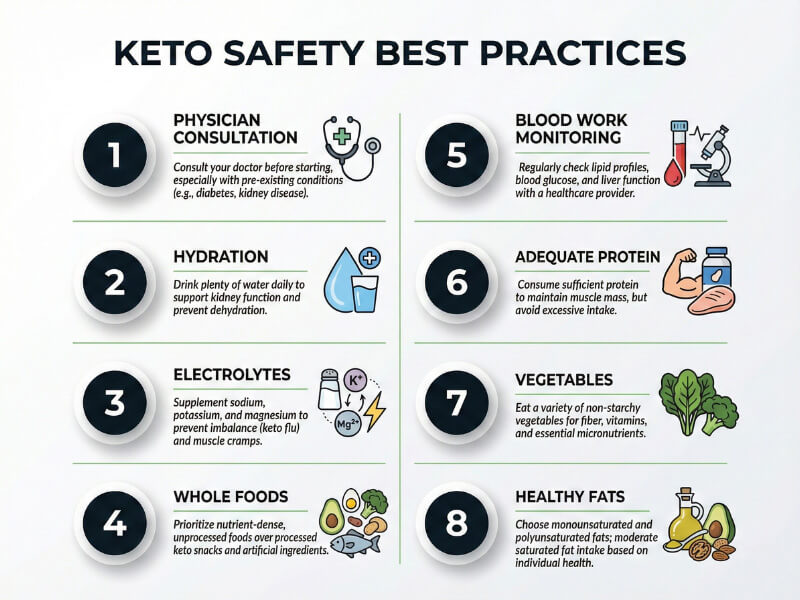
The easiest way to put these safety practices into action is through organized meal planning—our keto meal prep guide shows how to structure a full week of balanced keto meals in one Sunday session, which eliminates the daily guesswork that leads to nutrition gaps or unsafe shortcuts.
Implementing keto safely requires specific strategies based on scientific evidence and clinical experience.
Pre-Keto Preparation
1. Medical clearance
- Schedule doctor appointment
- Get baseline blood work
- Discuss medications
- Address contraindications
2. Education
- Understand ketosis vs. ketoacidosis
- Learn proper macronutrient ratios
- Identify keto-friendly foods
- Plan meal templates
3. Set realistic expectations
- Initial water weight loss (5-10 pounds first week)
- Keto flu likely days 2-7
- Fat adaptation takes 2-6 weeks
- Sustainable weight loss: 1-2 pounds weekly after month 1
Safe Implementation Strategy
Week 1: Transition
- Carbohydrates: Under 20g net carbs daily
- Protein: 0.8-1.0g per pound body weight
- Fat: To satiety (don’t force-feed fat)
- Calories: Eat until satisfied (don’t restrict yet)
- Electrolytes: 5,000mg sodium, 3,000mg potassium, 400mg magnesium
- Hydration: 10-12 cups water daily
Simplify week one with keto meal prep strategies that eliminate daily cooking stress and ensure proper macros.
Weeks 2-4: Adaptation
- Continue macronutrient targets
- Energy should improve by week 3
- Hunger decreases naturally
- Begin tracking calories if weight loss goal exists
- Monitor for persistent symptoms (consult doctor if severe)
Month 2+: Optimization
- Fine-tune macros based on results
- Assess need for cyclical approach
- Continue health monitoring
- Adjust based on blood work results
Essential Daily Practices
Hydration protocol:
- Minimum 8-10 cups water daily
- Add more during exercise
- Morning: 2 cups water with ½ teaspoon sea salt
- Before bed: 1-2 cups water
Electrolyte management:
- Salt food liberally (most important)
- Bone broth or bullion (1-2 cups daily)
- Potassium-rich foods: avocados, spinach, salmon, mushrooms
- Magnesium supplement at bedtime (glycinate or citrate form)
Vegetable intake:
- Minimum 4-6 cups low-carb vegetables daily
- Focus on leafy greens, cruciferous vegetables Reference our complete keto food list for net carb counts and serving sizes of all keto-friendly vegetables.
- Provides fiber, micronutrients, and volume
- Prevents constipation
Protein adequacy:
- Calculate need: 0.8-1.0g per pound body weight
- Active individuals: 1.0-1.2g per pound
- Distribute across 2-3 meals
- Prioritize quality sources
Quality fat sources: When sourcing fats for keto, quality matters for both health and adherence—halal-certified meat and dairy from reputable sources often provide cleaner fat profiles with better nutrient density.
Essential fats:
- Olive oil (monounsaturated)
- Avocados and avocado oil
- Fatty fish (omega-3s)
- Nuts and seeds (in moderation)
- Grass-fed butter or ghee
- Coconut oil (sparingly)
Avoid or limit:
- Highly processed seed oils (soybean, corn, cottonseed)
- Trans fats
- Excessive saturated fat from processed meats
Quality doesn’t require expensive specialty products—our keto on a budget guide shows how to source healthy fats and proteins affordably.
Supplement Considerations
Essential:
- Electrolyte supplements (sodium, potassium, magnesium)
- Vitamin D (if deficient)
- Omega-3 fatty acids (if not eating fatty fish 2-3x weekly)
Potentially beneficial:
- Multivitamin (fills micronutrient gaps)
- Fiber supplement (if constipation persists)
- Digestive enzymes (if fat digestion issues)
- Probiotics (gut health support)
Unnecessary (despite marketing):
- Exogenous ketones (expensive, not needed)
- MCT oil (convenient but not essential)
- “Keto” branded products (whole foods work better)
Red Flags to Watch
Stop keto and consult doctor if:
- Severe persistent symptoms beyond 2 weeks
- Blood sugar consistently below 70 mg/dL (if diabetic)
- Rapid heartbeat or chest pain
- Extreme fatigue despite adequate calories and electrolytes
- Mental health significantly worsens
- Menstrual cycle stops for 3+ consecutive months
- Concerning blood work results
Adjust approach if:
- Performance declines significantly after 6 weeks
- Persistent constipation despite interventions
- Social isolation from food restrictions
- Obsessive thoughts about food
- Unsustainable long-term
Frequently Asked Questions
Can keto cause heart attacks or heart disease?
Current evidence shows keto typically improves cardiovascular risk markers including triglycerides, HDL cholesterol, blood pressure, and inflammation. However, some individuals experience LDL cholesterol increases. If your LDL rises above 190 mg/dL or you have existing heart disease, work with a lipid specialist to interpret results and possibly adjust your approach. Multiple studies spanning 12-24 months show no increased cardiovascular events in keto participants compared to other diets.
Will keto damage my kidneys?
No, keto does not damage kidneys in healthy individuals. This myth confuses keto (moderate protein, 20-25% calories) with high-protein diets. Multiple studies tracking kidney function markers (GFR, creatinine) show no deterioration in people with normal kidney function following ketogenic diets for up to 2 years. However, if you have existing kidney disease (stages 3-5), keto requires medical supervision and likely protein restriction.
Is ketosis the same as ketoacidosis?
No, they are completely different conditions. Nutritional ketosis (keto diet) produces blood ketones of 0.5-3.0 mmol/L with normal blood pH—a safe metabolic state. Diabetic ketoacidosis produces ketones above 10 mmol/L with dangerously acidic blood pH below 7.3—a medical emergency occurring in uncontrolled Type 1 diabetes. People with functioning insulin production cannot develop ketoacidosis from dietary ketosis because insulin prevents dangerous ketone accumulation.
How long can I safely stay in ketosis?
Research confirms safety up to 2 years with consistent medical monitoring. Limited studies of epilepsy patients show safety for 3-6 years. Very long-term data (10+ years) is insufficient for definitive conclusions, though available evidence and case reports remain positive. Many practitioners recommend either cyclical approaches (6-12 months on, 1-3 months moderate carb) or sustained keto with annual blood work monitoring. Individual response varies—some people thrive indefinitely on keto while others prefer periodic cycling.
Can I do keto if I’m pregnant or breastfeeding?
Keto is not recommended during pregnancy. The developing fetus requires glucose for optimal brain development, and no long-term safety data exists for ketogenic pregnancies. During breastfeeding, keto may reduce milk supply in some women, and the restrictive nature conflicts with increased nutritional demands of lactation. Wait until after breastfeeding concludes before attempting keto, and prioritize a balanced, nutrient-dense diet during pregnancy.
Is keto safe for Type 1 diabetics?
Type 1 diabetes requires extreme caution with keto due to ketoacidosis risk. Never attempt keto as a Type 1 diabetic without explicit endocrinologist supervision, frequent blood glucose and ketone monitoring, insulin dosage adjustment protocols, and emergency plans. While some Type 1 diabetics successfully use keto under medical care, the risk of ketoacidosis makes unsupervised attempts potentially fatal.
What are the most serious potential side effects of keto?
For most healthy people, side effects are mild and temporary (keto flu, digestive changes, bad breath). Serious complications are rare but possible: severe hypoglycemia in diabetics on medications, electrolyte imbalances causing heart arrhythmias, kidney stones in predisposed individuals, nutrient deficiencies with inadequate vegetable intake, and disordered eating patterns in susceptible individuals. Proper implementation with medical monitoring and attention to electrolytes, hydration, and whole foods minimizes these risks. Pre-existing conditions (pancreatic, liver, or kidney disease) create higher risk and require medical supervision or contraindication.
Conclusion: Evidence-Based Verdict on Keto Safety
Is keto safe?
For most healthy adults without contraindications, the scientific evidence says yes—with important caveats.
What the research confirms:
The ketogenic diet is safe for 6-24 months based on extensive clinical trials. Studies consistently show improved metabolic markers, effective weight loss, and no serious adverse events in properly screened, monitored participants. For specific therapeutic applications—Type 2 diabetes management, epilepsy treatment, and certain neurological conditions—keto demonstrates both safety and efficacy with medical supervision.
What requires individual assessment:
- Your specific health status and medications
- Presence of contraindications (pancreatic, liver, kidney disease)
- Family history of cardiovascular disease
- Personal tolerance for dietary restriction
- Long-term sustainability for your lifestyle
The responsible approach:
- Consult your doctor before starting, especially if you take medications or have health conditions
- Get baseline blood work to establish safe monitoring
- Implement properly with adequate electrolytes, hydration, and whole foods
- Monitor regularly with follow-up blood work at 3 and 6 months
- Listen to your body—persistent concerning symptoms warrant medical evaluation
- Adjust as needed based on your individual response and goals
Keto is a tool, not a requirement for health. It works excellently for some people and poorly for others. The science supports its safety when implemented correctly in appropriate candidates, but blanket claims of universal safety or danger both misrepresent the evidence.
Make informed decisions based on your unique situation, scientific evidence, and medical guidance—not fear-based myths or exaggerated promises. For those ready to proceed safely, our detailed guide on what is the keto diet provides comprehensive starting information.
Your health is individual. Your diet approach should be too.
📧 GET EVIDENCE-BASED KETO HEALTH UPDATES
Join 500+ readers getting science-backed keto safety tips, latest research summaries, and health monitoring guidance every Thursday.
No hype. No fear-mongering. Just facts.
We respect your privacy. Unsubscribe anytime.
