
You started keto three days ago. At first, you felt great. Now? Pounding headache. Zero energy. Muscle cramps that won’t quit.
You’re wondering if you made a terrible mistake. Did you break your body? Should you just give up and eat a bagel?
Stop. Take a breath. What you’re experiencing has a name, a cause, and—most importantly—a fast fix. This is the keto flu, and I’m going to show you exactly how to beat it in the next 24 hours.
Let’s get you feeling better.

What Is the Keto Flu? (And Why You’re Feeling Awful)
First, the truth: the keto flu isn’t actually the flu. You didn’t catch a virus. You’re not contagious.
It’s your body throwing a tantrum during a major fuel change.
For your entire life, your body has burned glucose from carbohydrates. You eat bread, pasta, or fruit—your body breaks it down into sugar and runs on that. Easy. Familiar.
Then you start keto and slash your carbs to 20-50 grams per day.
Suddenly, your primary fuel source vanishes. Your insulin levels drop. Your kidneys start flushing out water along with three critical electrolytes: sodium, potassium, and magnesium.
At the same time, your body is scrambling to switch to burning fat for energy—a metabolic state called ketosis. This transition takes 2-7 days.
If you’re new to keto, learn more about what the keto diet is and how ketosis transforms your metabolism.
During that gap? You feel rough.
The keto flu is essentially:
- Dehydration (you’re losing water weight rapidly)
- Electrolyte depletion (sodium, potassium, magnesium all dropping)
- Metabolic confusion (old fuel gone, new fuel not fully online yet)
Good news: It’s temporary.
Better news: You can dramatically shorten it or avoid it entirely with the right approach.
Keto flu is usually caused by poor electrolyte management, inconsistent nutrition, or mistakes during the transition into ketosis. A personalized keto meal plan helps eliminate the guesswork and makes keto easier to follow from day one.
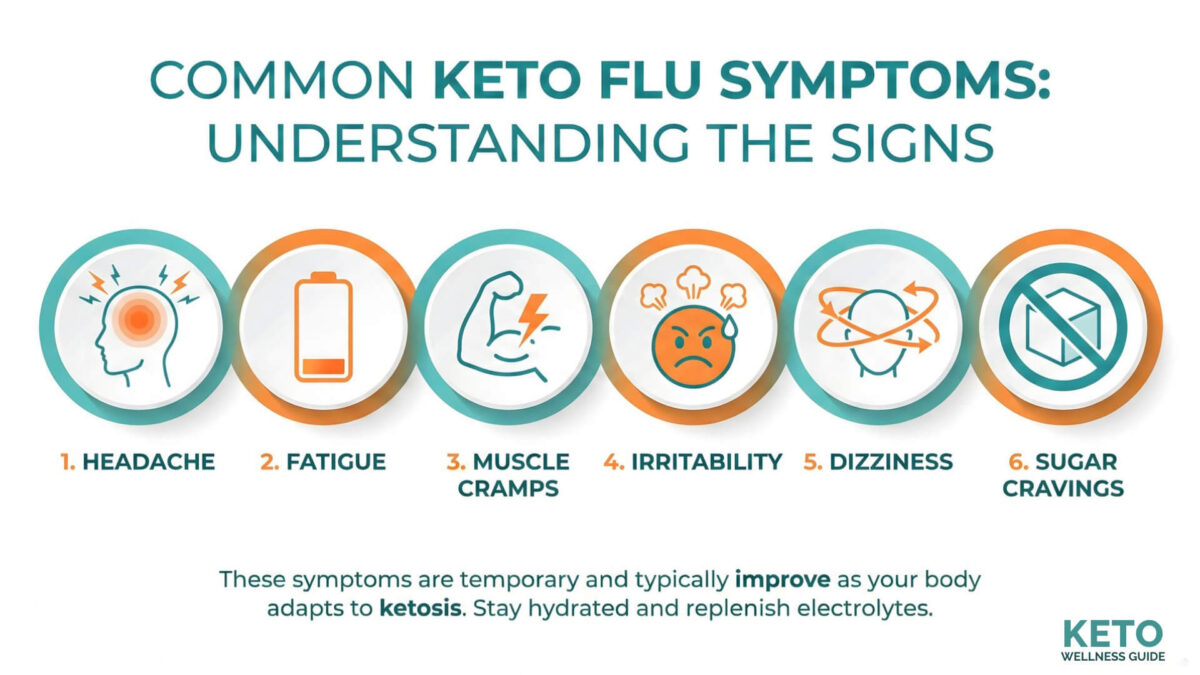
Common Keto Flu Symptoms (And What They Actually Mean)
Your body speaks in symptoms. Learning to translate them is your first step to fast relief.
Headache & Brain Fog
This is almost always a sodium problem. When sodium drops, your blood volume decreases. Your brain literally has less fluid around it.
It’s a dehydration headache with a specific electrolyte cause.
Fatigue & Weakness
You feel like someone unplugged your battery. That’s because they kind of did.
Your old fuel (glucose) is gone. Your new fuel (ketones from fat) isn’t fully operational yet. Meanwhile, low potassium and magnesium are making your muscles weak and tired.
Muscle Cramps & Twitches
Classic magnesium deficiency. Magnesium helps muscles relax after they contract. Without enough? Cramps. Twitches. That annoying eye flutter.
Irritability & Mood Swings
Your blood sugar is stabilizing, but the shift feels uncomfortable. Plus, feeling physically awful makes anyone grumpy.
This isn’t your personality. It’s biochemistry.
Dizziness & Nausea
Often tied to low blood pressure from dehydration and sodium loss. Stand up too fast and the room spins.
Some people also experience mild nausea as their digestive system adjusts to much higher fat intake.
Sugar Cravings
Your brain’s last-ditch effort to get its familiar glucose fix. It’s loud. Persistent. Annoying.
But it will pass.
Your 24-Hour Keto Flu Relief Action Plan
This is your step-by-step recovery protocol. Follow it from the moment symptoms hit.
Hour 0-2: The Emergency Reset
Stop everything. Take immediate action.
Step 1: Hydrate Properly
Drink two full glasses of water. Not tiny sips. Real glasses.
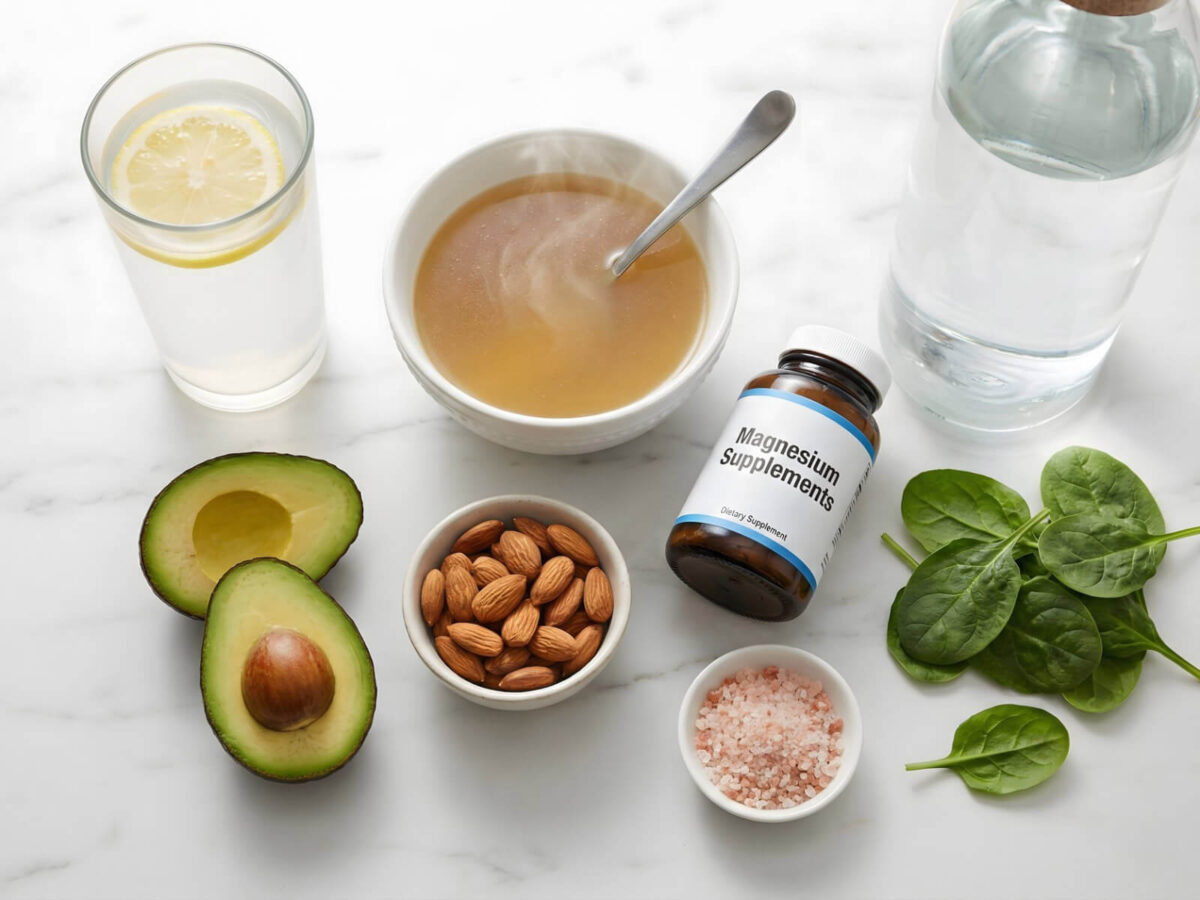
Step 2: Make Electrolyte Broth (Your Secret Weapon)
This single remedy gives fast relief to most people:
- Heat 2 cups halal beef or chicken broth (check labels—no added sugar)
- Stir in ¼ teaspoon high-quality salt (Himalayan pink or sea salt)
- Squeeze in fresh lemon juice (adds potassium + flavor)
- Drink warm, slowly
Why this works: You’re delivering sodium and hydration in the most absorbable form possible. The warmth is soothing. The salt replenishes what you’ve lost.
Many people feel noticeably better within 30-60 minutes.
Step 3: Rest
Lie down if you can. Close your eyes. Let the electrolytes work.
Hours 2-8: Strategic Replenishment
Don’t just chug plain water. You’ll flush out even more electrolytes.
Make an Electrolyte Drink:
To a 1-liter water bottle, add:
- Pinch of salt (sodium)
- Squeeze of lemon or lime (potassium)
- Sugar-free electrolyte powder OR a few drops of liquid stevia
Sip this throughout the day. Goal: finish 2-3 liters by bedtime.
Eat a Keto Flu-Fighting Meal:
Focus on electrolyte-rich, whole foods:
For Sodium & Potassium:
- Large avocado with salt
- Big spinach salad with olive oil
- Grilled salmon with lemon
For Magnesium:
- Handful of almonds or pumpkin seeds
- Dark leafy greens sautéed in butter or ghee
Simple winning combo: Seasoned ground beef with sautéed spinach and half an avocado. Perfect.
Hours 8-24: Lock In Your Recovery
By now, the worst should be lifting. Your job is to maintain momentum.
Continue Electrolyte Drinks:
Keep sipping that electrolyte water. Don’t stop just because you feel better.
Consider a Magnesium Supplement:
If muscle cramps persist, take 200-400mg of magnesium glycinate or citrate before bed. It helps muscles recover and improves sleep quality.
Eat Another Strategic Meal:
Repeat your electrolyte-rich meal strategy. Salmon, spinach, avocado. Chicken thighs, broccoli, nuts. Beef, kale, olive oil.
Keep it simple. Keep it nutrient-dense.
Gentle Movement:
A short, easy walk can boost circulation and mood. But don’t push a hard workout. Your body needs recovery time, not additional stress.
Prep for Tomorrow:
Mix up another batch of electrolyte drink. Stock your fridge with keto flu-fighting foods. Prevention is always easier than cure.
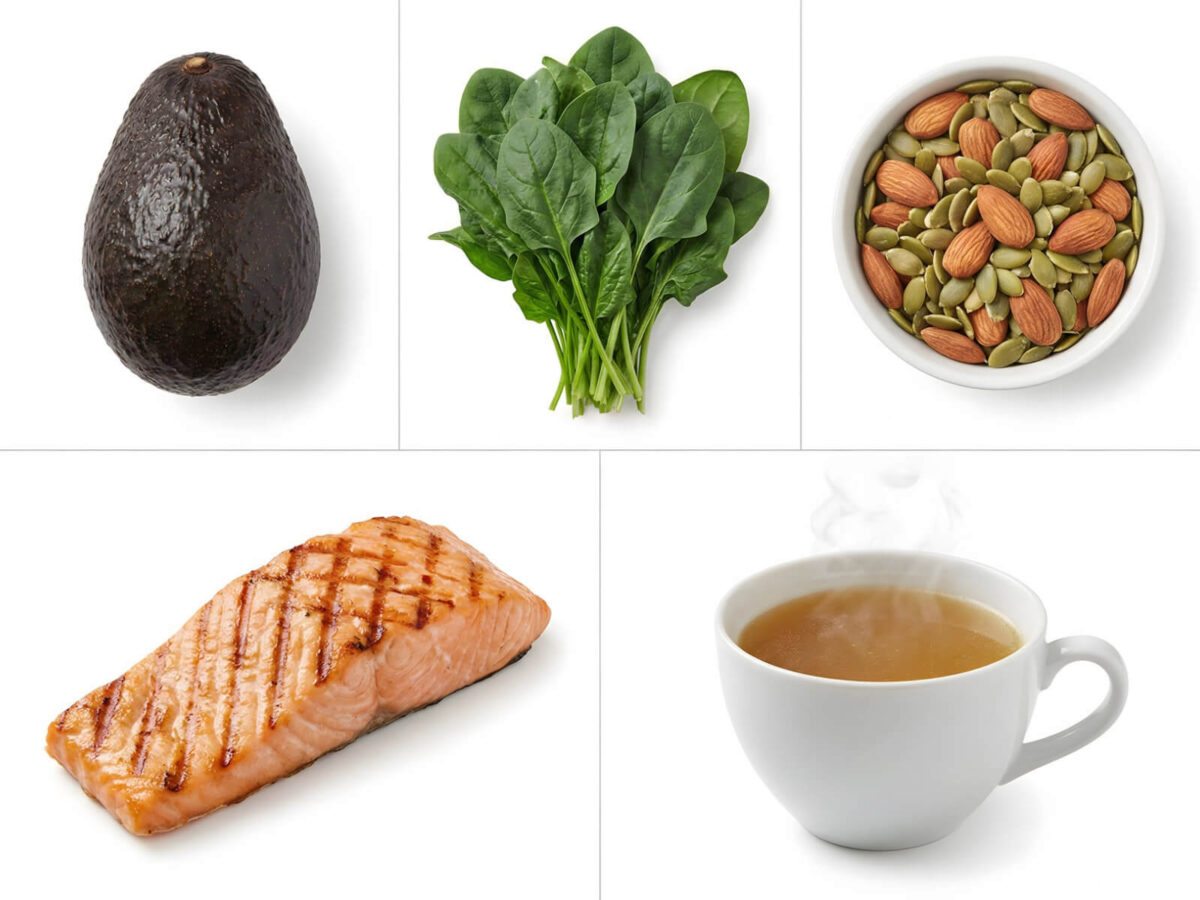
Top 5 Foods That Beat Keto Flu Symptoms
Incorporate these daily to stay ahead of symptoms:
1. Avocado
The potassium champion. Half an avocado contains more potassium than a banana, without the carb overload.
Sprinkle with sea salt for a sodium boost. Eat it plain, mash it, add it to everything.
2. Spinach & Dark Leafy Greens
Packed with magnesium and potassium. Kale, Swiss chard, arugula—all excellent choices.
Sauté in olive oil or ghee. Add to omelets. Make a massive salad.
3. Nuts & Seeds
Almonds, pumpkin seeds, and sunflower seeds deliver magnesium and healthy fats.
Watch portions to keep carbs in check. A small handful (1-2 oz) is perfect.
4. Fatty Fish
Salmon, mackerel, and sardines provide electrolytes plus anti-inflammatory omega-3 fatty acids.
Grill it. Bake it. Eat it with lemon and salt.
5. Bone Broth
Your secret weapon. Rich in sodium, minerals, and easily absorbed electrolytes.
Sip a cup daily. Make it your go-to comfort drink during the first week of keto.
3 Mistakes That Make Keto Flu Worse
Avoid these common pitfalls:
Mistake #1: Drinking Too Much Plain Water
Sounds counterintuitive, but chugging gallons of plain water dilutes your remaining electrolytes.
Solution: Always pair water with electrolytes—either through food, broth, or supplements.
Mistake #2: Being Afraid of Salt
On keto, your body doesn’t retain sodium like it used to. You actually need more salt, not less.
Solution: Salt your food generously. Drink broth daily. Add a pinch of salt to your water.
Target: 3,000-5,000mg sodium per day during keto adaptation.
Learn more about recommended sodium intake guidelines from Mayo Clinic.
Mistake #3: Giving Up Too Soon
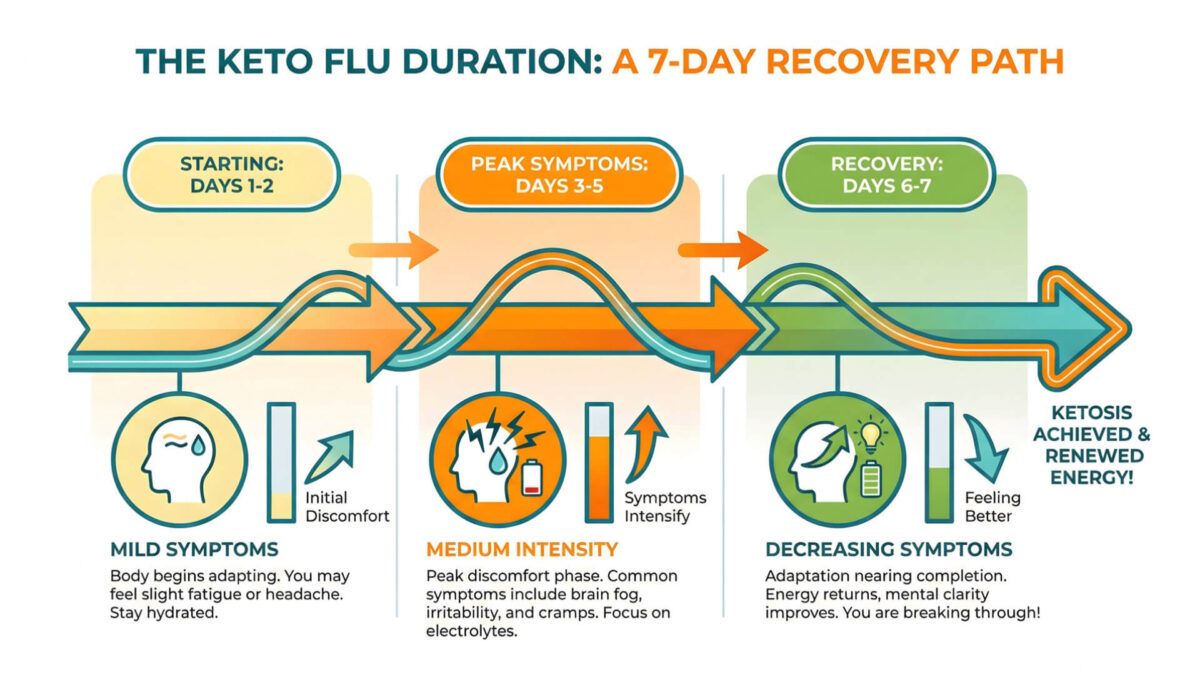
Keto flu typically peaks around days 3-5. It usually subsides by day 7-10.
Quitting now means you’ll have to restart this entire process if you try keto again later.
Solution: Push through. Use this guide. Within days, you’ll feel the mental clarity and steady energy that makes keto worth it.
How Long Does Keto Flu Last?
Keto flu symptoms typically improve within 3–7 days, which aligns with the period many people need to enter ketosis. Understanding the ketosis timeline can help set realistic expectations during the adaptation phase.
Short answer: Most people feel symptoms for 3-7 days.
Longer answer: It depends on several factors:
With proper electrolyte management: 1-3 days of mild symptoms, or none at all.
Without electrolytes: 5-10 days of moderate to severe symptoms.
Your individual factors:
- How many carbs you ate before keto (higher carb diet = potentially longer adaptation)
- Your hydration habits
- Your stress levels
- Whether you’re supplementing electrolytes
The good news: Even if you’re currently suffering, following this 24-hour protocol can turn things around fast.
For complete guidance on starting keto successfully, check out our keto diet for beginners guide with meal plans and tips.
When to See a Doctor About Keto Flu
The keto flu is uncomfortable but usually not dangerous. However, seek medical attention if you experience:
- Severe heart palpitations or irregular heartbeat
- Extreme weakness that prevents you from standing or walking safely
- Persistent vomiting or inability to keep fluids down
- Confusion or significant mental changes
- Chest pain or difficulty breathing
If you have pre-existing conditions—especially kidney disease, heart disease, or diabetes—consult your doctor before starting keto and at the first sign of concerning symptoms.
Better safe than sorry.
🚀Never Deal with Keto Flu Again!
Get your FREE Keto Starter Kit with:
✓ Complete electrolyte guide
✓ 7-day meal plan (keto flu-proof!)
✓ Shopping lists & recipes
Join 1,000+ people who started keto the right way!
Frequently Asked Questions
How long does keto flu usually last?
Most people experience keto flu symptoms for 3-7 days, with peak discomfort around days 3-5. However, with proactive electrolyte management—drinking bone broth, consuming electrolyte-rich foods like avocado and spinach, and supplementing sodium, potassium, and magnesium—you can dramatically shorten this timeline to 1-3 days or avoid keto flu symptoms entirely. The duration also depends on your previous carbohydrate intake and how well you maintain hydration and mineral balance during the transition to ketosis.
Can you prevent keto flu when starting keto?
Yes! Keto flu prevention is absolutely possible. Start increasing your water intake and salt consumption a day before you cut carbs. Stock up on electrolyte-rich foods like avocados, leafy greens, nuts, and bone broth. See our complete keto food list for more electrolyte-rich options.Consider purchasing a sugar-free electrolyte supplement or magnesium glycinate. On day one of keto, drink 2-3 cups of salted bone broth, eat an avocado with sea salt, and sip electrolyte water throughout the day. This proactive approach can help you avoid keto flu symptoms completely or reduce them to mild, manageable levels.
What is the fastest way to cure keto flu?
The fastest keto flu relief comes from aggressive electrolyte replenishment. Immediately drink 1-2 cups of warm bone broth with added salt. Within the hour, eat half an avocado sprinkled with sea salt and a handful of spinach sautéed in olive oil. Mix an electrolyte drink (water with salt, lemon juice, and sugar-free electrolyte powder) and sip it continuously. Take 200-400mg of magnesium glycinate. Most people feel significantly better within 2-4 hours of this protocol. Continue the electrolyte-rich eating pattern for 24-48 hours for complete relief.
Should I exercise if I have keto flu?
During active keto flu symptoms, it’s best to rest or stick to gentle movement like easy walking or light stretching. Intense exercise depletes electrolytes further and can make symptoms worse. Your body is already working hard to adapt to fat-burning mode. Once symptoms improve (usually by day 5-7), you can gradually return to your normal workout routine. Many people find they have MORE energy for exercise after full keto adaptation than they did on a high-carb diet.
Are keto flu and ketosis the same thing?
No, they are not the same. Ketosis is the metabolic state where your body burns fat for fuel instead of carbohydrates, producing ketones as an energy source. It’s the goal of the ketogenic diet and provides benefits like steady energy, mental clarity, and fat loss. Keto flu, on the other hand, is a collection of temporary symptoms (headache, fatigue, cramps) caused by electrolyte imbalance and metabolic transition during the first week of keto. You can achieve ketosis without experiencing keto flu if you manage your electrolytes properly from day one.
Final Thoughts: You’re Almost Through
The keto flu isn’t a brick wall. It’s a temporary speed bump on your way to something better.
What you’re feeling right now—the headache, the fatigue, the cramps—isn’t failure. It’s a transition. Your body is upgrading its fuel system from sugar-dependent to fat-adapted.
With this 24-hour relief plan, you have the exact tools you need: electrolyte-rich broth, strategic meals, proper hydration, and targeted supplements.
Embrace the process. Drink that broth. Eat those avocados. Salt your food.
Within 24 hours, the fog lifts. The energy returns. And you’ll step into the mental clarity, steady energy, and effortless appetite control that makes the ketogenic diet worth every uncomfortable moment of this transition.
You’ve got this. The best part of your keto journey is just ahead.