
Finding the right keto macros calculator can feel overwhelming with so many options online, but calculating your perfect ratios doesn’t have to be complicated. You’ve decided to start keto. You’ve cleared out the carbs from your pantry. You’re ready to go.
But then someone asks: “What are your macros?”
And you freeze. Macros? Ratios? Percentages? Suddenly keto feels like advanced mathematics, and you’re wondering if you need a PhD just to eat dinner.
Before diving into macro calculations, make sure you understand what keto actually does to your body and why these specific ratios matter for ketosis.
Here’s the truth: calculating your keto macros isn’t complicated once you understand what you’re actually measuring. And getting them right makes the difference between struggling through keto and watching your body transform into a fat-burning machine.
This guide walks you through exactly how to calculate your personal keto macros—no confusing formulas, no guesswork, just a straightforward system that works for your specific body and goals.
What Is a Keto Macro?
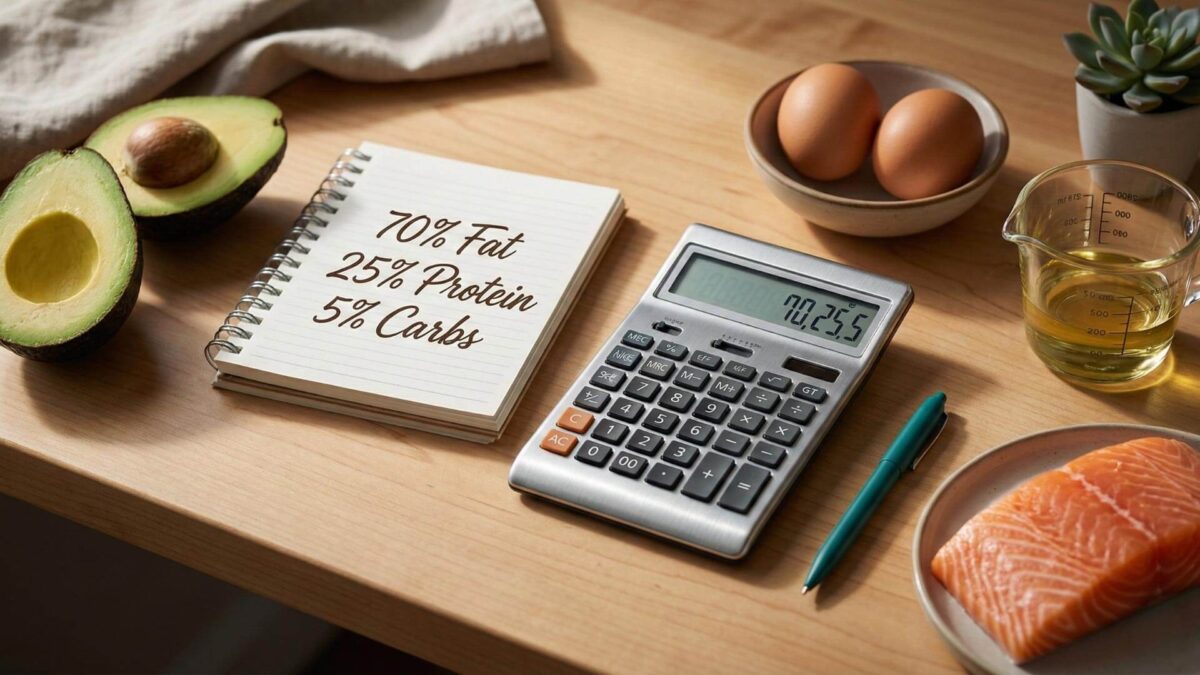
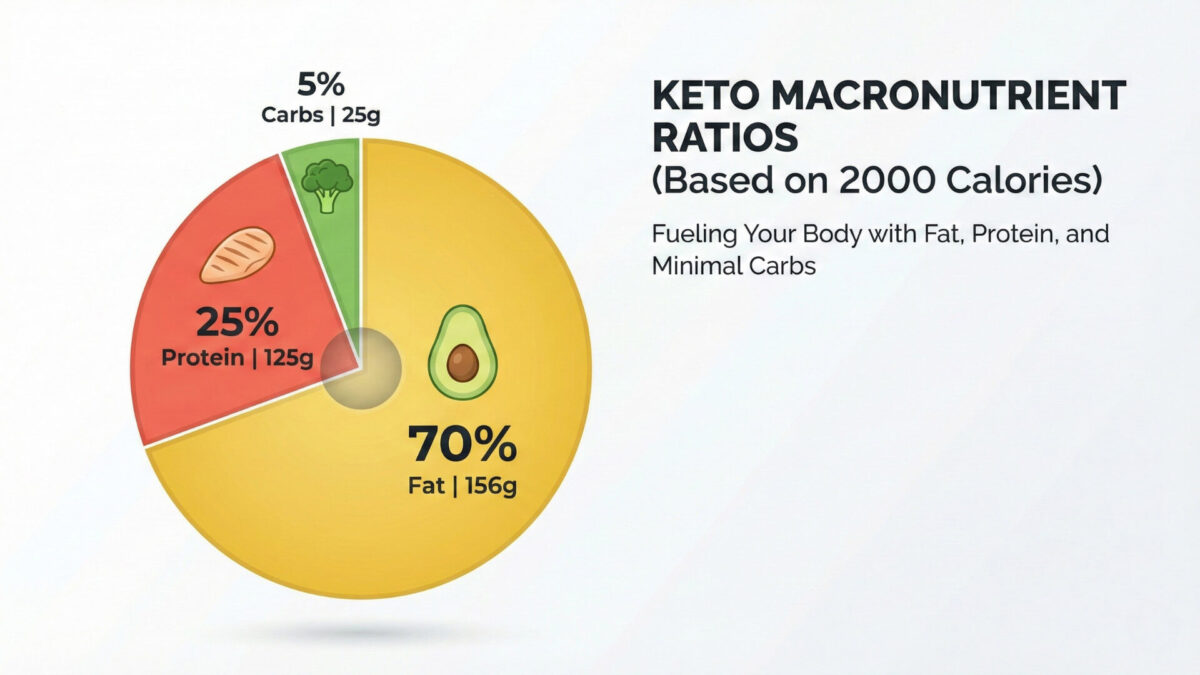
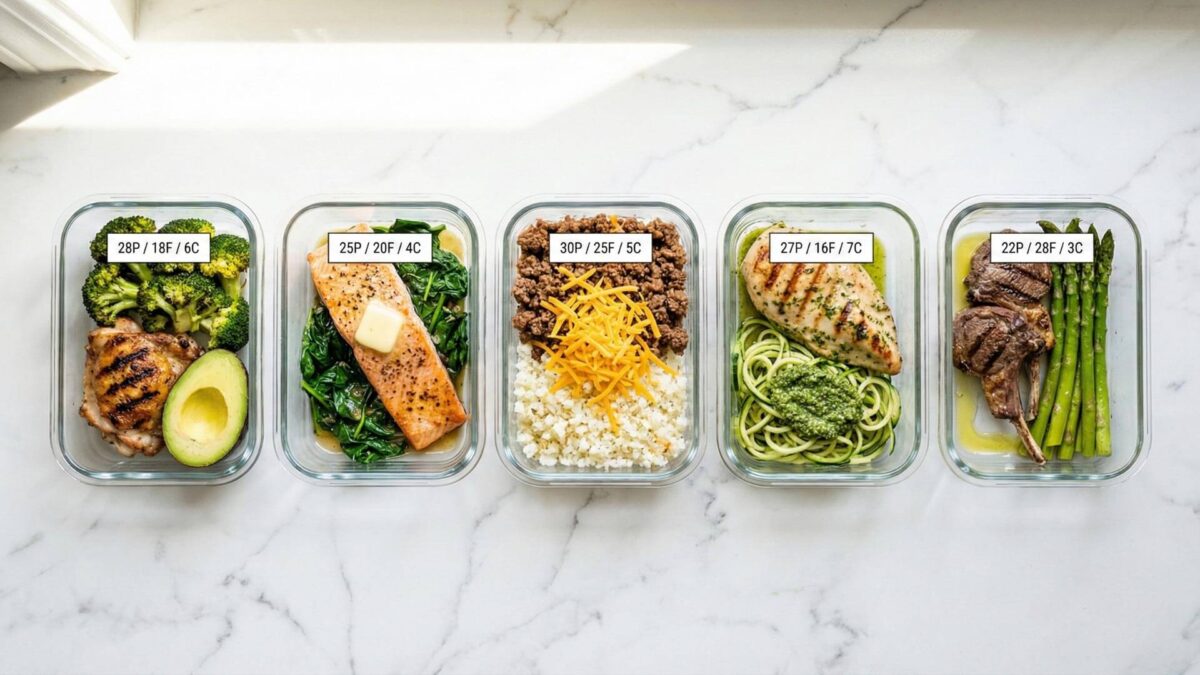
A keto macro is simply one of the three macronutrients—fat, protein, or carbohydrates—measured in grams you eat each day on the ketogenic diet. Your “keto macros” refer to your specific daily targets: typically 20-30g carbs, 70-100g+ protein (based on body weight), and 100-150g+ fat. These numbers create the 70% fat, 25% protein, 5% carbs ratio that triggers ketosis.
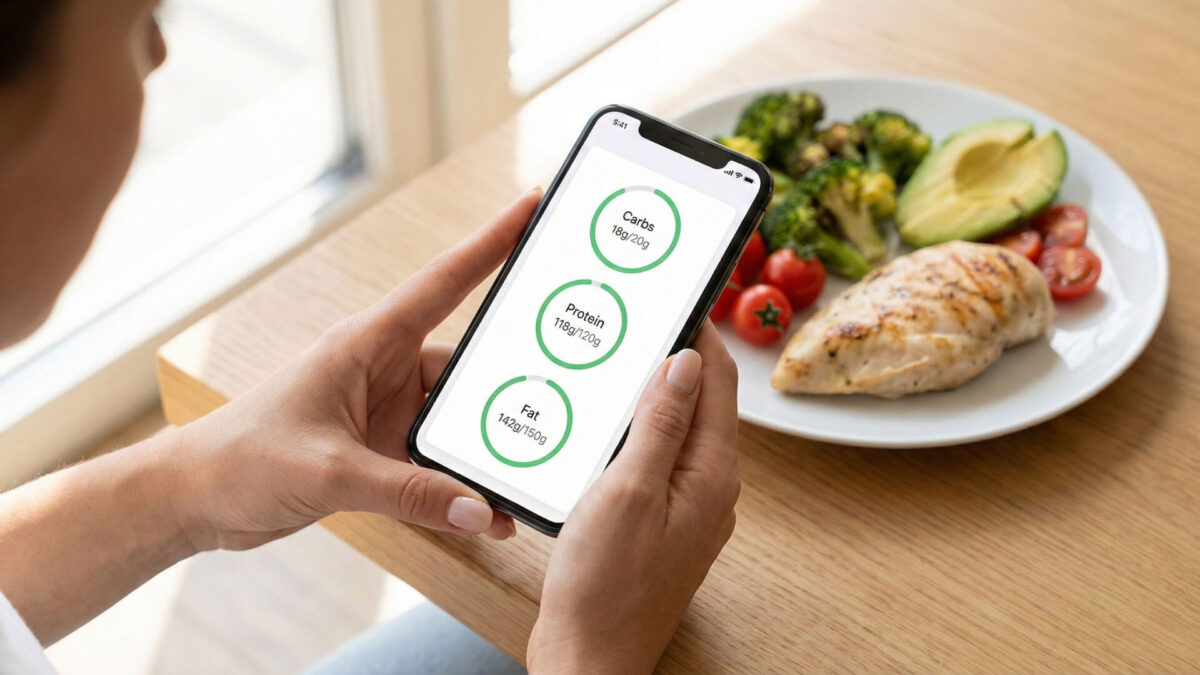
Most people track their macros using an app like Cronometer or Carb Manager, which shows exactly how many grams you’ve eaten versus your targets.
What Are Macros and Why Do They Matter on Keto?
Macros is short for macronutrients—the three main nutrients your body needs in large amounts: fat, protein, and carbohydrates.
On a standard American diet, most people eat roughly 50% carbs, 30% fat, and 20% protein. Their bodies run on glucose from all those carbs.
Keto flips this completely.
On keto, you’re eating about 70-75% fat, 20-25% protein, and only 5-10% carbs.
This dramatic shift forces your body to switch fuel sources from glucose to ketones, which it makes from fat.
Research published in the Journal of Clinical Endocrinology shows that this macronutrient shift triggers significant metabolic changes that can improve body composition and insulin sensitivity.
That’s ketosis—and it’s why your macro ratios matter so much.
Get your ratios wrong, and you’ll either kick yourself out of ketosis (too many carbs), lose muscle mass (too little protein), or struggle with energy and hunger (not enough fat). Get them right, and your body becomes a incredibly efficient fat-burning system.
The challenge? Everyone’s perfect macro ratio is slightly different based on their body composition, activity level, and goals.
If you’re brand new to keto and want a complete roadmap with meal plans and shopping lists alongside these macro calculations, check out our complete beginner’s guide that walks you through every step of your first week.
The Standard Keto Macro Ratios Explained
Before we personalize your macros, let’s understand the baseline keto ratios.
Standard Keto Macros:
- 5-10% carbohydrates (typically 20-50 grams per day)
- 20-25% protein (varies based on body weight and activity)
- 70-75% fat (fills in the rest of your calories)
These percentages refer to your total daily calories, not the weight of food on your plate.
Here’s why this matters: According to the USDA nutrition data, fat has 9 calories per gram, while protein and carbs each have 4 calories per gram. So even though you’re eating more fat by percentage, it might not look like more food on your plate because fat is calorie-dense.
How Many Carbs Should I Eat on Keto?
Most people should eat 20-30 grams of net carbs per day to achieve and maintain ketosis. If you’re just starting, aim for 20g net carbs—this works for about 95% of people. Once you’re fat-adapted (after 4-6 weeks), some people can increase to 30-50g net carbs and stay in ketosis, especially if they’re active.
Total carbs? That’s different. If tracking total carbs instead of net carbs, stay under 35-40 grams daily.
The lower your carb intake, the deeper into ketosis you’ll go. But you don’t need to eat zero carbs—those 20-30g give you room for nutrient-dense vegetables.
For most people starting keto:
- Keep carbs under 20-30 grams net carbs daily (we’ll explain net carbs in a minute)
- Eat 0.8-1.0 grams of protein per pound of lean body mass
- Fill the rest of your calories with healthy fats
Notice that carbs and protein are measured in grams (target amounts), while fat is flexible (it fills in your remaining calories). This distinction is crucial.
Carbs are a limit—stay under it. Protein is a goal—hit it daily. Fat is a lever—adjust it based on hunger and weight loss goals.
How to Calculate Your Personal Keto Macros (Step-by-Step)
Ready to find your perfect numbers? You don’t need a complicated keto macros calculator—just follow this straightforward process.
Step 1: Calculate Your Total Daily Energy Expenditure (TDEE)
Your TDEE is how many calories your body burns in a day. Start with your Basal Metabolic Rate (BMR)—the calories you’d burn just lying in bed all day—then multiply by your activity level.
Mifflin-St Jeor Formula for BMR:
For men: BMR = (10 × weight in kg) + (6.25 × height in cm) – (5 × age) + 5
For women: BMR = (10 × weight in kg) + (6.25 × height in cm) – (5 × age) – 161
Then multiply your BMR by your activity factor:
- Sedentary (little to no exercise): BMR × 1.2
- Lightly active (exercise 1-3 days/week): BMR × 1.375
- Moderately active (exercise 3-5 days/week): BMR × 1.55
- Very active (exercise 6-7 days/week): BMR × 1.725
Example: A 35-year-old woman who weighs 160 lbs (72.6 kg), is 5’6″ (167.6 cm), and exercises 3 times per week:
BMR = (10 × 72.6) + (6.25 × 167.6) – (5 × 35) – 161 = 1,447 calories
TDEE = 1,447 × 1.55 = 2,243 calories per day
Step 2: Adjust for Your Weight Loss Goals
If you want to lose weight, subtract 20-25% from your TDEE. For maintenance, keep it the same. For muscle gain, add 5-10%.
For weight loss: 2,243 – (2,243 × 0.20) = 1,794 calories per day
Step 3: Calculate Your Carb Limit
Start with 20-25 grams of net carbs per day. This works for almost everyone to get into ketosis.
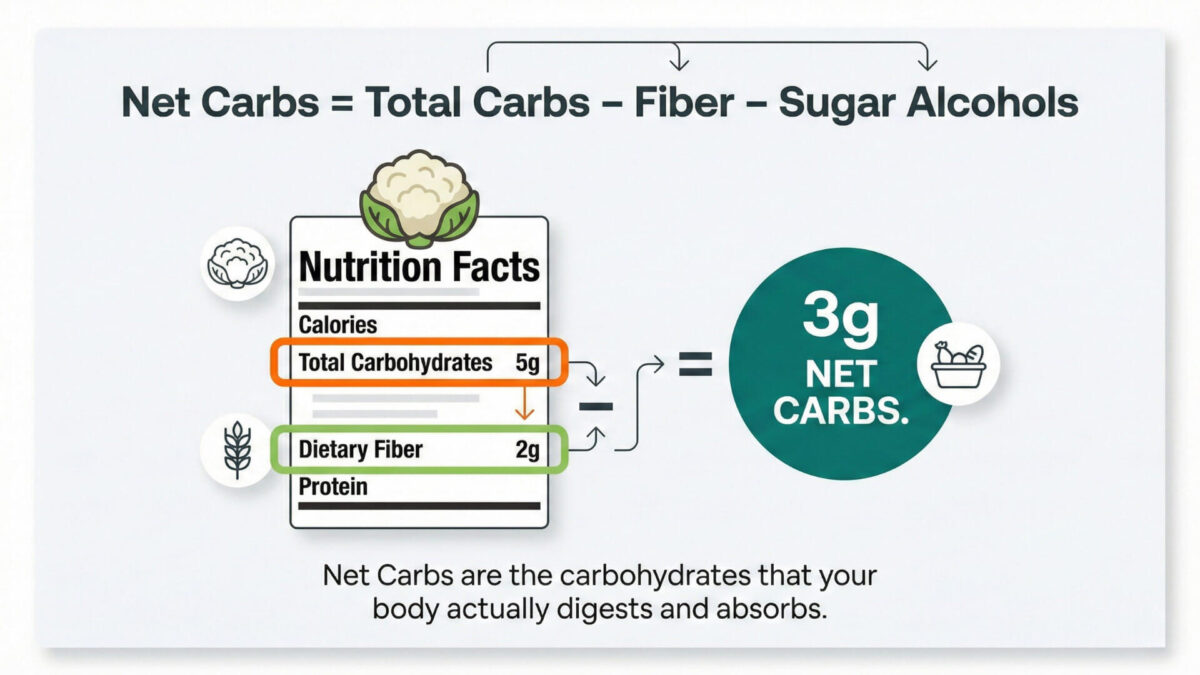
Net carbs = Total carbs – Fiber – Sugar alcohols (like erythritol)
At 20 grams of net carbs: 20g × 4 calories = 80 calories from carbs
Step 4: Calculate Your Protein Target
You need enough protein to preserve muscle mass, especially when losing weight. The sweet spot for most people is 0.8-1.0 grams per pound of lean body mass.
Don’t know your lean body mass? Use 0.7-0.8 grams per pound of total body weight as a starting point.
Example: 160 lbs × 0.8 = 128 grams of protein per day
128g × 4 calories = 512 calories from protein
Step 5: Fill the Rest with Fat
Now subtract your carb and protein calories from your total daily calories. What’s left is your fat target.
Total calories: 1,794
Carb calories: 80
Protein calories: 512
Fat calories: 1,794 – 80 – 512 = 1,202 calories
Convert to grams: 1,202 ÷ 9 = 134 grams of fat per day
Final Macros for This Example:
- Carbs: 20g (4%)
- Protein: 128g (29%)
- Fat: 134g (67%)
- Total calories: 1,794
Understanding Net Carbs vs Total Carbs
This confuses almost everyone at first.
Total carbs include everything: sugar, starch, fiber, and sugar alcohols. Net carbs are what actually impact your blood sugar and kick you out of ketosis.
The formula: Net Carbs = Total Carbs – Fiber – Sugar Alcohols
Why subtract fiber? Because your body doesn’t digest it—it passes through without raising blood sugar. Most sugar alcohols (like erythritol and allulose) work the same way.
Example: 1 cup of cauliflower has 5g total carbs and 2g fiber.
Net carbs = 5g – 2g = 3g net carbs
This is why you can eat generous amounts of non-starchy vegetables on keto. A massive salad might have 15g total carbs but only 5g net carbs after subtracting the fiber.
Most people track net carbs on keto because it gives you more flexibility with nutrient-dense vegetables. Some people prefer tracking total carbs for simplicity or if they have insulin resistance.
Most people track net carbs on keto because it allows more flexibility with nutrient-dense vegetables. If you’re not getting into ketosis within a week using net carbs, switching to total carbs temporarily may help accelerate the process.
Common Macro Mistakes Beginners Make
Mistake #1: Treating Fat as a Goal Instead of a Lever
Your fat macro is the only flexible number. If you’re trying to lose weight, you don’t need to force yourself to eat all your fat calories—your body will burn stored fat instead.
Hungry? Eat more fat. Not hungry? Eat less. That’s perfectly fine.
Do I Need to Hit My Fat Macro on Keto?
No, you don’t need to hit your fat macro if you’re trying to lose weight. Fat is the only flexible macro on keto—it’s a lever, not a goal. If you’re hungry, eat more fat. If you’re satisfied, eat less. Your body will burn stored body fat to make up the difference.
Think of it this way: your carb limit keeps you in ketosis, your protein target preserves muscle, and your fat intake controls hunger and energy.
Only eat your full fat macro if you’re doing keto for maintenance or medical reasons (like epilepsy management), not weight loss.
Mistake #2: Not Eating Enough Protein
Too many people go too low on protein because they’ve heard “keto is high fat.” But protein preserves your muscle mass during weight loss and keeps you satiated. Not eating enough protein is one of the most common keto mistakes that can sabotage your progress before you even get fat-adapted.
Eating 100-150 grams of protein won’t kick you out of ketosis. The “too much protein turns to sugar” thing is way overblown for most people.
Mistake #3: Counting Vegetables as “Using Up” Carbs
If you’re staying under 20g net carbs from mostly non-starchy vegetables, you’re doing great. Don’t stress about hitting exactly 20g.
Some people eat 15g from vegetables, others eat 30g. Both can stay in ketosis because nutrient-dense vegetable carbs impact blood sugar differently than bread or sugar.
Mistake #4: Forgetting to Recalculate After Weight Loss
Your macro needs change as you lose weight. Recalculate every 10-15 pounds lost, or whenever your weight loss stalls for more than 2-3 weeks.
A body that weighs 180 pounds needs more calories and protein than one that weighs 160 pounds.
Adjusting Your Macros for Different Goals
Your macro ratios might shift slightly based on what you’re trying to achieve.
For Faster Weight Loss:
- Keep carbs at 20g net
- Keep protein at 0.8-1.0g per pound lean mass
- Reduce fat calories by 10-15% (let your body burn stored fat)
For Muscle Gain:
- Keep carbs at 25-35g net (slight flexibility)
- Increase protein to 1.0-1.2g per pound lean mass
- Increase fat to maintenance or slight surplus calories
For Therapeutic Ketosis (Medical Reasons):
- Keep carbs under 15g net
- Keep protein moderate at 0.6-0.8g per pound
- Increase fat to 75-80% of calories
- Work with a healthcare provider
For Athletic Performance:
- Keep carbs at 25-50g net (can go higher around workouts)
- Increase protein to 1.0-1.5g per pound for intense training
- Adjust fat based on training volume and energy needs
The baseline keto ratios are your starting point. After 2-4 weeks, adjust based on how you feel, your energy levels, and your results.
Best Free Keto Macros Calculator Tools and Tracking Apps
You don’t need fancy software or expensive programs. These free keto macros calculator tools make tracking simple and accurate.
Macro Calculators:
- Ruled.me Keto Calculator – Clean interface, customizable for different goals
- Perfect Keto Calculator – Simple, focuses on weight loss scenarios
- Ketogains Calculator – Best for athletes or muscle-building goals
Tracking Apps:
- Cronometer – Most accurate food database, tracks micronutrients too
- Carb Manager – Keto-specific, has net carb tracking built in
- MyFitnessPal – Largest food database, free version works fine
Pro tip: Track everything for the first 2-3 weeks. You’ll learn portion sizes and which foods fit your macros. After that, many people can maintain ketosis by tracking just carbs and eating intuitively.
How to Know If Your Macros Are Working
📊 Get Your Free Keto Macro Worksheet
Calculate your perfect keto ratios in 5 minutes with our printable macro calculator worksheet. Includes step-by-step instructions, tracking templates, and adjustment guides.
We respect your privacy. Unsubscribe anytime.
You’ve calculated your macros and started tracking. How do you know if you’ve got them right?
Signs your macros are dialed in:
- You enter ketosis within 3-7 days (test with ketone strips or breath meter)
- Energy levels stabilize after the first week
- Hunger decreases significantly between meals
- You’re losing 1-2 pounds per week (after initial water weight)
- You feel mentally clear and focused
- You’re sleeping well
- You can go 4-6 hours between meals without thinking about food
Signs you need to adjust:
- Not entering ketosis after 7-10 days (reduce carbs to 15-20g total)
- Feeling weak or fatigued beyond the first week—you might be experiencing keto flu symptoms rather than incorrect macros, so proper electrolyte balance is crucial (increase protein or electrolytes)
- Losing weight too fast (>3 lbs/week after week 1) and feeling exhausted (add more fat)
- Not losing weight after 3-4 weeks (reduce fat calories by 10-15%)
- Constantly hungry (increase protein and healthy fats)
Your body will tell you what it needs. The numbers are your starting point, not your prison.
Sample Macro Calculations for Different Body Types
Seeing real examples helps this click. Here are macro calculations for three different people.
Example 1: Sarah – 45-year-old woman, 180 lbs, sedentary, wants to lose weight
TDEE: 1,850 calories
Weight loss calories: 1,480 (20% deficit)
- Carbs: 20g net (80 calories, 5%)
- Protein: 108g (432 calories, 29%) [0.6g per lb]
- Fat: 107g (968 calories, 66%)
Example 2: Mike – 32-year-old man, 220 lbs, moderately active, wants to lose weight
TDEE: 2,850 calories
Weight loss calories: 2,280 (20% deficit)
- Carbs: 25g net (100 calories, 4%)
- Protein: 165g (660 calories, 29%) [0.75g per lb]
- Fat: 169g (1,520 calories, 67%)
Example 3: Jennifer – 28-year-old woman, 140 lbs, very active, wants maintenance
TDEE: 2,200 calories
Maintenance calories: 2,200
- Carbs: 30g net (120 calories, 5%)
- Protein: 126g (504 calories, 23%) [0.9g per lb]
- Fat: 176g (1,576 calories, 72%)
Notice the patterns? Carbs stay low and fairly consistent. Protein scales with body weight and activity. Fat fills in the rest based on calorie needs.
What to Do When You Hit a Weight Loss Plateau
💪 Join Our Free 7-Day Keto Kickstart
Get daily emails with meal plans, shopping lists, and macro-friendly recipes. Plus troubleshooting help when you need it most.
We respect your privacy. Unsubscribe anytime.
You’ve been doing great on keto, hitting your macros perfectly, and then…nothing. The scale stops moving for two weeks.
Don’t panic. This is normal.
First, rule out false plateaus:
- Are you retaining water? (Women: hormonal fluctuations can mask fat loss)
- Are you building muscle? (The scale stays the same but clothes fit better)
- Did you recently start exercising? (Muscles hold extra water during recovery)
If it’s a real plateau, try these macro adjustments:
- Recalculate your macros – Your needs changed as you lost weight
- Reduce fat by 10-15% – Let your body burn more stored fat
- Increase protein slightly – Helps preserve muscle during deeper deficits
- Try intermittent fasting – Naturally reduces calories without cutting macros
- Check your tracking accuracy – Hidden carbs in sauces, oils, or “keto” products
Give each adjustment 2-3 weeks before trying something else. Your body needs time to respond.
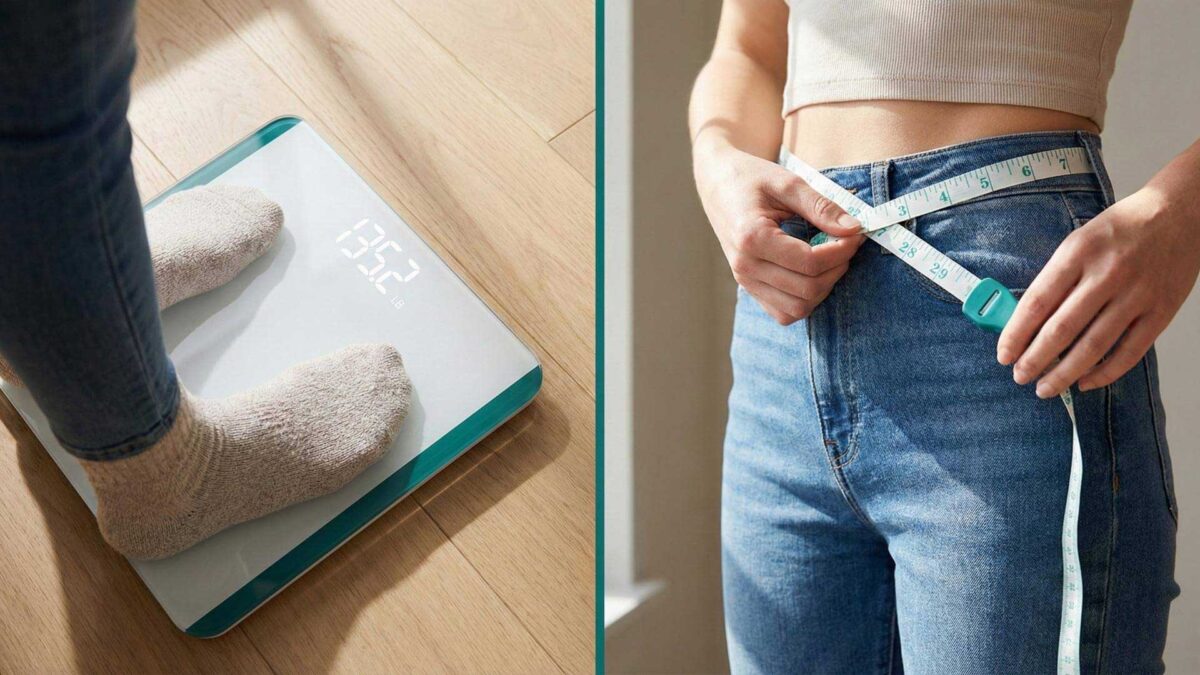
And remember: the scale isn’t the only measure of progress. Take photos, measurements, and notice how your clothes fit.
Macros for Special Situations
Some situations need special macro considerations.
Over 40 and Menopausal:
- Keep protein on the higher end (0.8-1.0g per lb) to preserve muscle
- May need slightly more carbs (25-35g) for hormone balance
- Consider cycling carbs slightly higher during certain times of the month
Athletes and Very Active People:
- Increase protein to 1.0-1.5g per pound for recovery
- Can go up to 50g net carbs on training days (targeted keto)
- Need more total calories—don’t under-eat
People with Insulin Resistance or Type 2 Diabetes:
- Keep carbs very strict (15-20g total carbs, not net)
- Monitor blood sugar response to protein
- Work with your doctor to adjust medications as needed
Vegetarian or Vegan Keto:
- Hit protein targets with plant sources (tempeh, tofu, seitan, protein powder)
- Watch for hidden carbs in plant proteins
- May need slightly higher carb allowance (30-40g) due to fiber in protein sources
Every body is different. These are starting points—adjust based on your results and how you feel.
Individual macro needs vary significantly, and Harvard Medical School’s guidance on the keto diet emphasizes the importance of medical supervision when making significant dietary changes, especially for those with pre-existing health conditions.
Frequently Asked Questions
Do I really need to track macros, or can I just eat keto foods?
Many people can maintain ketosis by eating keto foods intuitively—focusing on fatty meats, low-carb vegetables, and healthy fats while avoiding sugar and starch. However, tracking for the first 2-4 weeks helps you learn portion sizes and confirms you’re actually in ketosis. After that, you can often relax tracking if you’re hitting your goals. Weight loss specifically often requires tracking to ensure you’re in a calorie deficit.
What happens if I go over my carb limit one day?
You’ll likely get kicked out of ketosis temporarily. For most people, it takes 1-3 days to get back into ketosis after a high-carb meal. You might experience some bloating, water retention, and increased hunger. Just get right back to your macros the next meal—don’t try to “make up for it” by eating less. One meal doesn’t ruin progress, but a pattern of going over will prevent ketosis.
Can I do keto without counting calories, just macros?
Absolutely. Many people successfully maintain or lose weight by tracking only carbs and protein while eating fat to satiety. This works especially well once you’re fat-adapted (after 4-6 weeks) because keto naturally reduces appetite. However, if weight loss stalls, you may need to track calories temporarily to ensure you’re in a deficit. Some bodies are better at self-regulating than others.
How do I calculate macros if I don’t know my body fat percentage?
Use your total body weight to estimate protein needs at 0.7-0.8 grams per pound, then adjust based on results. This gives you a safe starting point. If you’re very overweight, use your goal weight or midpoint weight instead to avoid overestimating protein. The visual estimates (comparing photos) are often accurate enough—you don’t need expensive scans for keto to work.
Should I adjust my macros on workout days vs rest days?
Most people keep macros consistent daily for simplicity. However, athletes doing intense training can benefit from slightly higher carbs (25-50g) and protein on training days, then dropping back to baseline on rest days. This is called “targeted keto” or “cyclical keto.” For beginners or people doing moderate exercise, consistent macros work perfectly fine and are much easier to follow.
🎯 Ready to Start Keto the Right Way?
Get our complete beginner’s guide with meal plans, shopping lists, and step-by-step instructions. Everything you need to succeed from day one.
We respect your privacy. Unsubscribe anytime.
Your Macros Are Your Foundation, Not Your Prison
Here’s what I want you to remember: macros are tools, not rules.
Yes, calculate your numbers. Yes, track them for a few weeks to learn what portions look like and confirm you’re in ketosis.
But don’t let perfect be the enemy of good.
If you hit 22 grams of carbs instead of 20, you’ll be fine. If you eat 120 grams of protein instead of 130, your muscles won’t fall off. If you’re 10 grams under on fat because you weren’t hungry, that’s actually great—your body will burn stored fat instead.
The goal isn’t mathematical perfection. The goal is teaching your body to burn fat for fuel, reducing inflammation, stabilizing blood sugar, and feeling incredible.
Your macros get you there. Obsessing over them keeps you stuck.
Use the keto macros calculator steps in this guide to find your personalized numbers. Track them for 2-4 weeks. Adjust based on your results and how you feel. Then trust your body to tell you what it needs.
You’ve got this.
