
Starting the keto diet can feel overwhelming.
Information overload. Conflicting advice. Where do you even begin? Understanding how to start keto doesn’t have to be complicated.
Right here is your complete guide.
This isn’t about rigid rules or perfection. It’s about a clear, simple path to change how your body fuels itself. This guide shows you how to start keto step by step, one manageable action at a time.
For a comprehensive approach with a complete 7-day keto guide and meal plan, check out our beginner’s kickstart.
You can do this. Let me show you exactly how to start keto today.
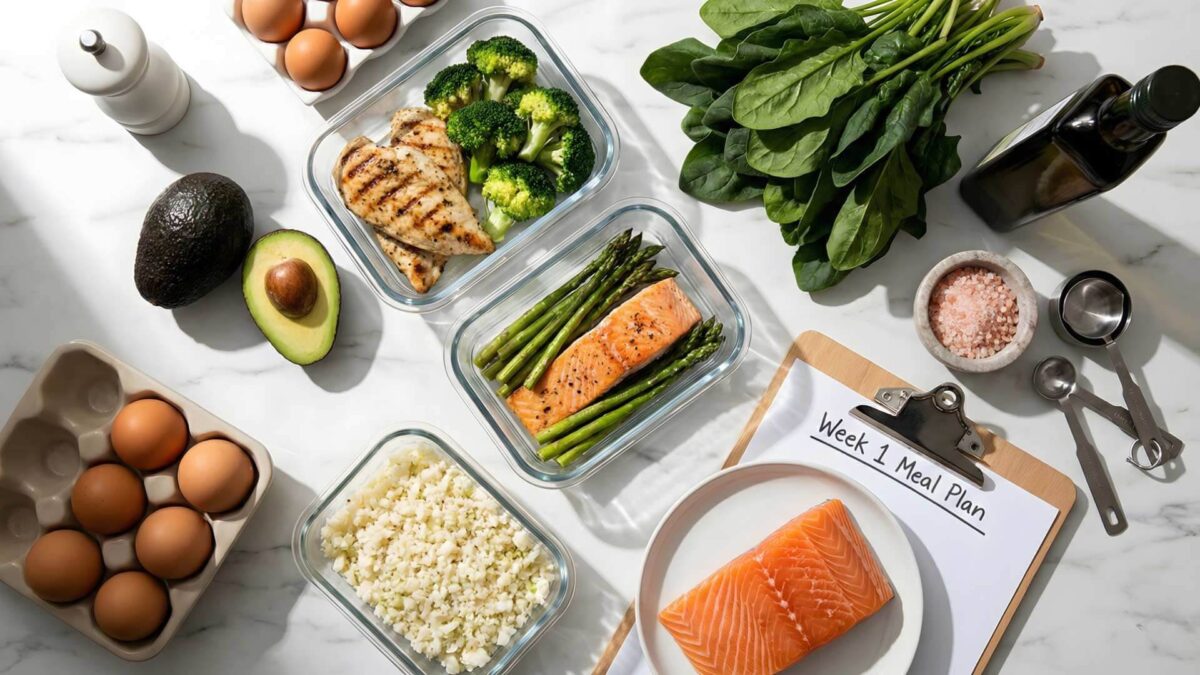
What Is Keto, Really? Your 60-Second Guide to Starting Keto
First, forget the complex jargon.
Think of your body as a hybrid car. It usually runs on gasoline (carbs/glucose). The ketogenic diet flips a switch. You give it so little gasoline that it’s forced to become incredibly efficient at running on its electric battery (your stored fat).
This metabolic shift is called ketosis, backed by scientific research showing its metabolic benefits.
When you’re in ketosis, your liver turns fat into ketones, which become your primary fuel. The result? You burn stored fat for energy. Your hunger cues often change. Many people experience steady energy and mental clarity. For a deeper understanding of the science behind ketosis, learn more about what the keto diet is.
It’s a different way to operate, and learning how to start keto begins with what’s on your plate.
Before You Begin: Your Pre-Keto Checklist
Don’t just dive in. A little preparation prevents a lot of frustration.
Think of this as packing for a successful journey.
Talk to Your Doctor
Especially if you have any health conditions (like diabetes, kidney issues, or are on medication). A quick check-in is smart.
Keto changes how your body processes fuel. If you’re on medications—particularly for blood sugar or blood pressure—your doctor may need to adjust dosages as your health improves.
Commit Mentally for 30 Days
The first few weeks are an adaptation period. Promise yourself you’ll stick it out for a full month to truly feel the benefits.
Your body needs time to switch from burning glucose to burning fat efficiently. Most people start feeling the real benefits around week 3-4.
Clean Out Your Pantry (Strategically)
You don’t need to throw away everything.
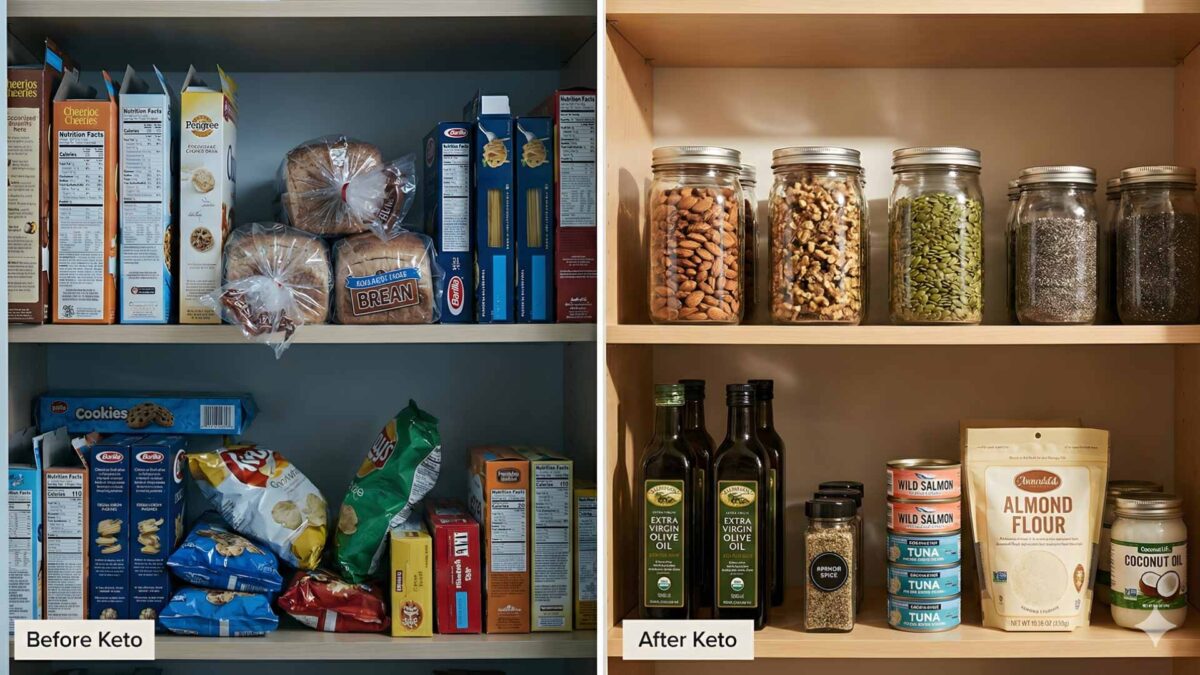
Box up high-carb items like pasta, rice, cereals, and sugary snacks. Donate them or store them out of sight. Out of sight, out of mind.
Keep:
- Spices and seasonings
- Olive oil and cooking oils
- Canned fish (tuna, salmon)
- Nuts (check labels—some have added sugars)
Remove:
- Bread, pasta, rice, cereals
- Chips, crackers, cookies
- Sugary sauces and condiments
- Fruit juices and sodas
Grab a Notebook or App
Tracking what you eat for the first week or two is a game-changer for understanding your new diet.
Apps like Carb Manager or Cronometer make it easy. But honestly? A simple notebook works too. You’re just learning which foods fit and which don’t.
Ready to learn how to start keto the right way? Let’s get into the five actionable steps that make starting keto simple.
Step 1: Understand Your Keto Macros (No Math Phobia Needed)
The first step in learning how to start keto is understanding your macros.
“Macros” are just your main nutrients: Fat, Protein, and Carbohydrates.
On keto, you change their ratios. Here’s a simple framework to start keto without a calculator:
Carbs are the Lever
Keep them very low. Aim for 20-25 grams of net carbs per day to guarantee you enter ketosis.
Net Carbs = Total Carbs – Fiber
You can verify nutrition facts in the USDA FoodData Central database when checking food labels.
Focus carbs on leafy greens and non-starchy veggies. That’s it.
Protein is the Goal
Eat enough to maintain your muscle. A good visual is a palm-sized portion of protein at each meal.
Think:
- Grilled chicken breast or thighs
- Baked salmon or tilapia
- Ground beef or lamb
- Eggs (2-3 per meal)
Fat is the Fuel
Fill the rest of your plate with healthy fats until you’re satisfied.
This includes:
- Olive oil on salads
- Avocado slices
- Nuts and seeds
- Full-fat dairy (if you tolerate it)
- Butter or ghee for cooking
Don’t get paralyzed by perfect numbers. For your first week, just focus on slashing carbs and eating whole foods.
Standard Keto Macro Breakdown:
- 70-75% Fat
- 20-25% Protein
- 5-10% Carbs
This ketogenic diet macronutrient breakdown is the foundation of keto success.
But remember: these are percentages of calories, not volume on your plate.
🎁 Ready to Make Keto Simple?
Join our email community and get a FREE 7-Day Keto Starter Meal Plan delivered straight to your inbox. No guesswork, just delicious halal-friendly meals to kickstart your journey.
We respect your privacy. Unsubscribe anytime.
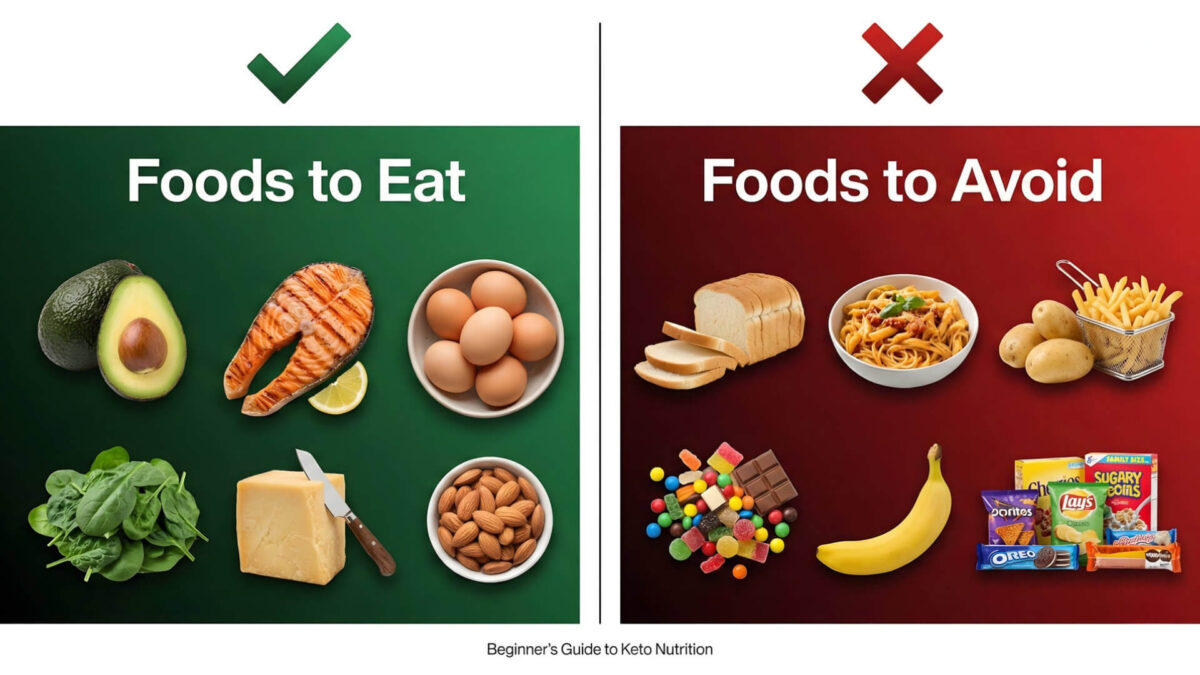
Step 2: The Keto Food List: What to Eat & What to Avoid
Knowing what’s on the menu makes everything easier when learning how to start keto.
Print this list and stick it on your fridge.
Eat These Foods Liberally
Proteins:
- Beef, lamb, chicken, turkey
- Fish (especially salmon, mackerel, sardines)
- Eggs (the perfect keto food!)
- Halal sausages (check labels for fillers and carbs)
Healthy Fats:
- Avocado and avocado oil
- Olive oil (extra virgin)
- Coconut oil
- Butter and ghee
- Full-fat cheese
- Heavy cream
- Sour cream
Low-Carb Vegetables:
- Spinach, kale, lettuce
- Broccoli, cauliflower
- Zucchini, peppers
- Asparagus, mushrooms
- Brussels sprouts
- Green beans
Nuts & Seeds (in moderation):
- Almonds, walnuts
- Macadamias (lowest carb!)
- Pumpkin seeds, chia seeds
- Watch portions—they add up!
Limit or Avoid These Foods
Sugars & Grains:
- Soda, juice, candy
- Bread, pasta, rice
- Cereal, oats
- Pastries, cookies
Starchy Vegetables:
- Potatoes, sweet potatoes
- Peas, corn
- Carrots (small amounts okay)
Most Fruits:
- Bananas, apples, oranges
- Grapes, mangoes
- (Berries like raspberries are okay in small amounts)
Processed “Low-Fat” Foods:
- These are often packed with hidden sugars
Anything with Added Sugar:
- Read labels! Sugar hides everywhere—ketchup, salad dressing, BBQ sauce
Step 3: Build Your First Keto Meal Plan (3-Day Sample)
One of the most common questions about how to start keto is “What do I actually eat?” Here’s your answer.
Seeing is believing. Here’s what your first few days could look like.
No fancy recipes needed.
Day 1
Breakfast: Scrambled eggs cooked in butter with a side of sliced avocado
Lunch: Large salad with grilled chicken breast, olive oil & lemon dressing, and a sprinkle of feta cheese
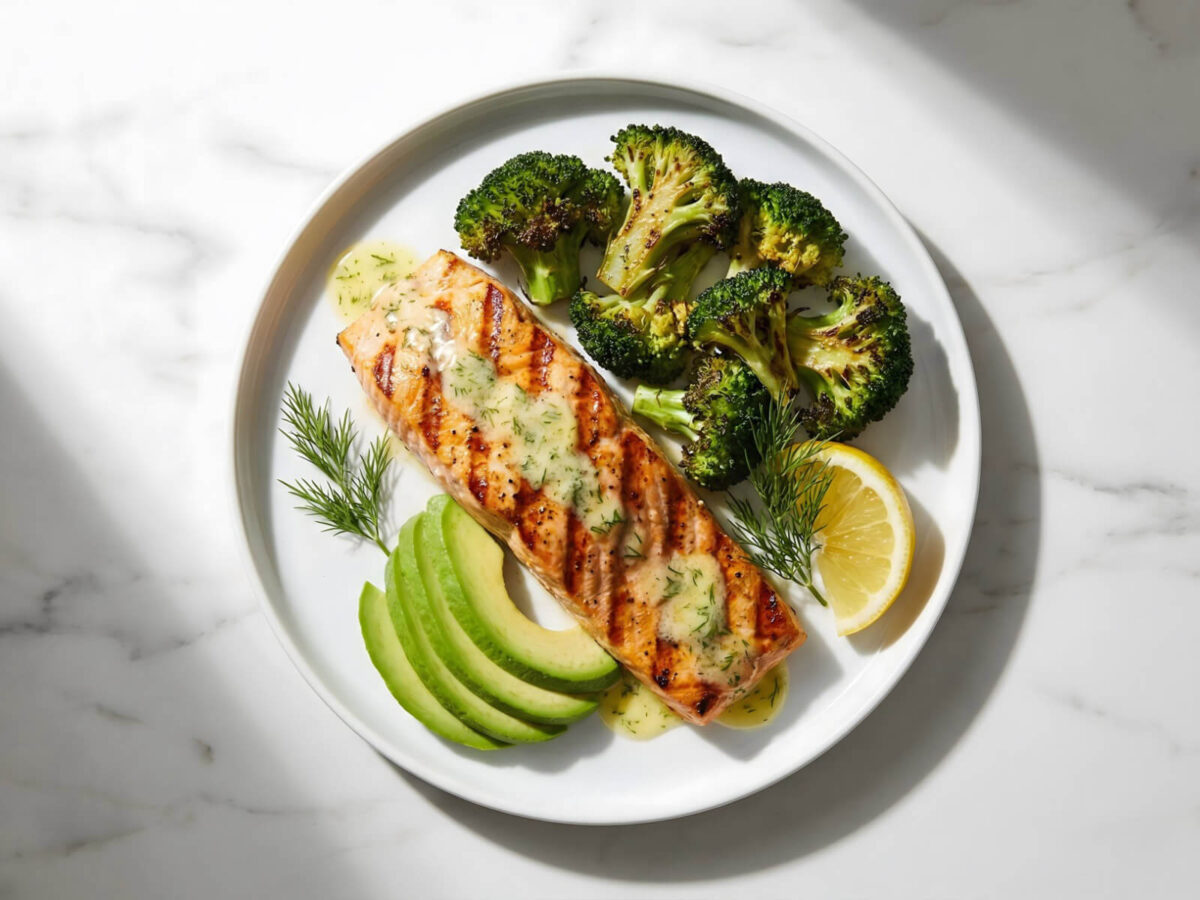
Dinner: Baked salmon with a lemon-dill butter sauce and a side of roasted broccoli
Snack (if hungry): Handful of macadamia nuts
Day 2
Breakfast: Full-fat Greek yogurt (unsweetened) with a handful of raspberries and a few chopped almonds
Lunch: Leftover salmon and broccoli from dinner
Dinner: Ground beef sautéed with taco spices, served over a bowl of lettuce with salsa, cheese, and sour cream (a “taco bowl”)
Snack: String cheese or hard-boiled egg
Day 3
Breakfast: Two hard-boiled eggs and a few slices of cheddar cheese
Lunch: Tuna salad (made with mayo) served in avocado halves
Dinner: Roasted chicken thighs with cauliflower mash (steamed cauliflower blended with butter and cream)
Snack: Celery sticks with almond butter
See? It’s just real food. The key is to keep it simple when you start. Want more variety? Get our full 7-day keto meal plan with complete grocery lists and recipes.
🥑 Want 500 Delicious Keto Recipes at Your Fingertips?
Get instant access to halal-friendly breakfast, lunch, dinner, and snack ideas that make starting keto delicious and easy.
We respect your privacy. Unsubscribe anytime.
Step 4: How to Handle the “Keto Flu” (Electrolytes are Everything)
Around day 2-4, you might feel off. Headache, fatigue, irritability.
This is the “keto flu,” and it’s optional. Many people wondering how to start keto worry about this, but it’s completely preventable.
It’s not a real flu—it’s your body flushing water and electrolytes as it dumps stored carbs.
The fix is simple and fast:
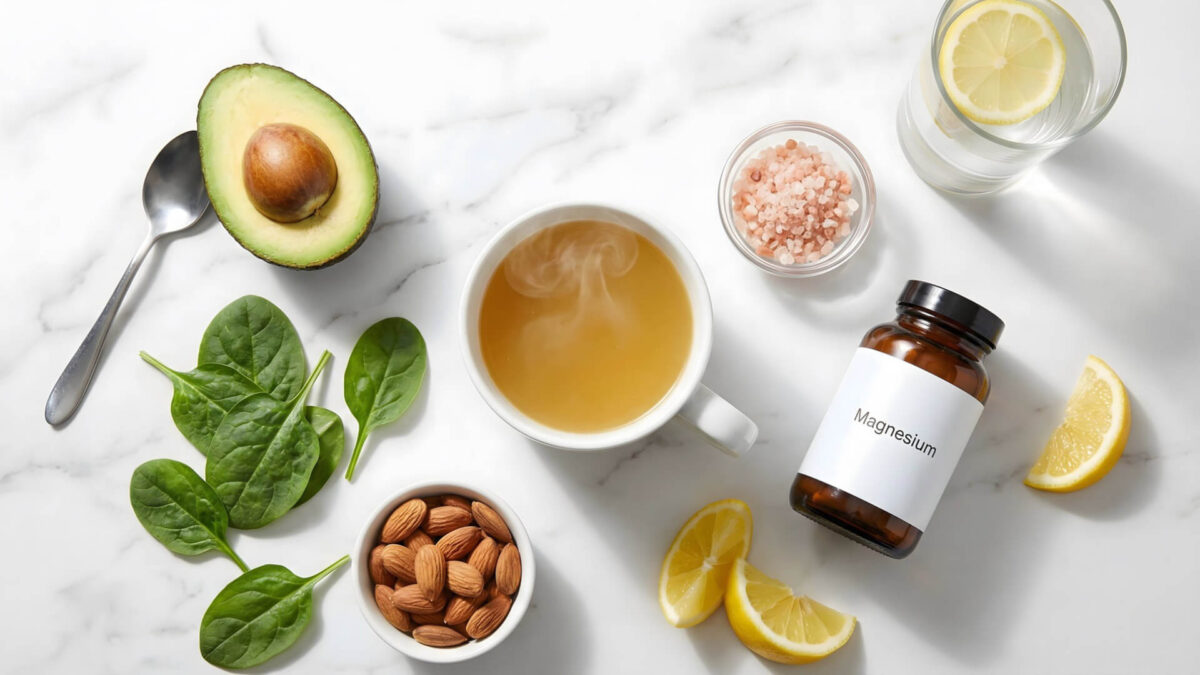
Sodium
Salt your food generously. Drink a cup of halal beef or chicken broth daily.
You need about 5,000mg of sodium per day on keto. That’s way more than you’re used to, but your kidneys are dumping sodium as you lose water weight.
Potassium
Eat an avocado and plenty of dark leafy greens. Aim for 3,000-4,000mg daily.
Other sources:
- Salmon
- Mushrooms
- Spinach
- Brussels sprouts
Magnesium
Take a supplement like magnesium glycinate before bed (200-400mg), or eat a handful of pumpkin seeds.
Magnesium helps with muscle cramps, sleep quality, and energy production.
Quick Keto Flu Fix
If you feel a headache coming on, mix 1/4 teaspoon of salt in water and drink it. You’ll be amazed at how quickly it helps.
Staying ahead of electrolytes is the #1 tip for a smooth start.
Pro Tip: Make “ketoade”—water with a squeeze of lemon, a pinch of salt, and a magnesium supplement. Sip throughout the day.
Step 5: Track, Adjust, and Find Your Rhythm
The final step in how to start keto successfully is tracking and adjusting your approach.
For your first 1-2 weeks, track your food in an app like Carb Manager or Cronometer.
This isn’t forever. It’s a learning tool.
You’ll see where hidden carbs sneak in (that splash of milk in your coffee, that dressing on your salad).
After the first two weeks, you can try two approaches:
Strict Tracking
If you love data and want precise results, keep tracking your macros.
This works great for people who want to optimize body composition or have specific weight loss goals.
Lazy Keto
Just focus on keeping carbs very low (<25g net) and eating until you’re full with keto-friendly foods.
This is a great, sustainable approach for many people. No calculators, no stress, just eat real food and keep carbs minimal.
Listen to your body. Are you satisfied? Do you have energy? That’s your best guide.
Heads up: the link below is an affiliate link. If you buy through it, I earn a small commission at no extra cost to you — I only recommend things I’d point my own family to.
🚀 Want a plan built around YOUR body instead of a generic one?
You now know how to start keto — the macros, the foods, the meals, the electrolytes. The last piece is making it fit you: your schedule, your food preferences, how much you actually want to eat. A generic plan rarely fits any real person perfectly.
When people ask me how to skip the trial-and-error, I point them to a short quiz that builds a keto plan around your goals and the foods you like. It takes about two minutes, and the quiz itself is free — you’ll get your personalized calorie target and macro split at the end even if you go no further.
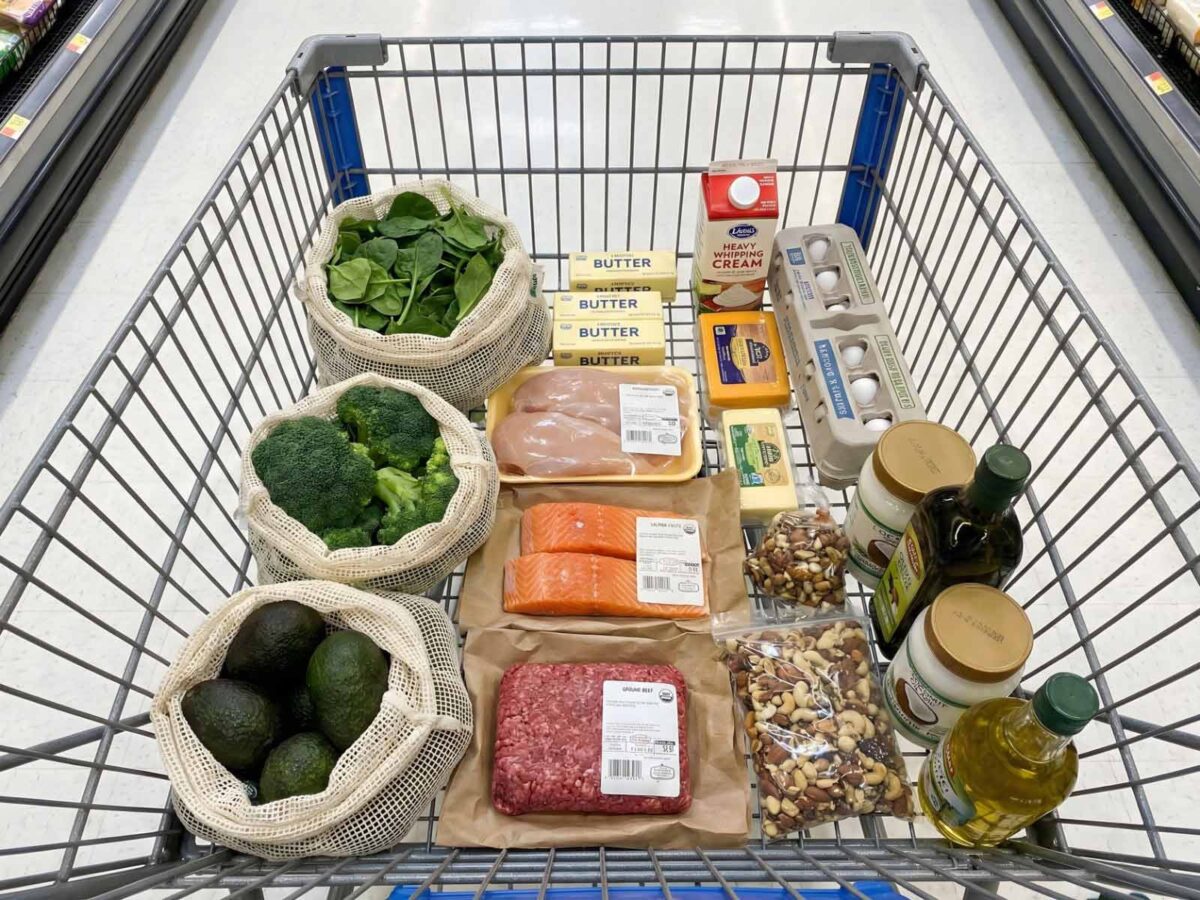
Your First Week Shopping List (The Essentials)
Knowing exactly what to buy is a crucial part of how to start keto successfully.
Walking into the store with a plan saves time and money.
Here’s your starter list:
Proteins:
- Eggs (2-3 dozen)
- Chicken thighs (skin-on for fat)
- Ground beef (80/20 ratio)
- A fatty fish like salmon
Vegetables:
- Spinach or mixed greens
- Lettuce (for salad base)
- Broccoli
- Cauliflower
- Avocados (at least 5-7)
- Zucchini
Dairy/Fats:
- Butter (grass-fed if possible)
- Ghee
- Olive oil (extra virgin)
- Block of cheddar cheese
- Heavy cream
- Full-fat Greek yogurt (unsweetened)
Pantry:
- Salt (sea salt or Himalayan)
- Black pepper
- Your favorite spices
- Halal beef or chicken broth cubes
- Almonds or macadamias
Estimated Cost: $80-$120 for the first week, depending on your location and portions.
Common Beginner Mistakes (And How to Dodge Them)
When learning how to start keto, avoiding these common pitfalls makes all the difference.
These mistakes trip up nearly everyone who tries to start keto on their own. Learn from others so you don’t have to make them yourself.
Learn from others’ mistakes so you don’t have to make them yourself.
Not Drinking Enough Water
You need more now. Aim for 2-3 liters daily.
Keto has a natural diuretic effect. You’ll pee more, which means you need to drink more.
Eating Too Much Protein
Remember, protein is a goal, not a free-for-all.
Excess protein can be converted to glucose through a process called gluconeogenesis. This isn’t a huge concern for most people, but extremely high protein can slow ketosis.
Forgetting About Fiber
Load up on those low-carb veggies. They keep you full and your digestion happy.
Aim for 25-30g of fiber daily from vegetables, nuts, and seeds.
Giving Up Too Soon
The adaptation phase can be bumpy. Give it a solid 30 days before you judge the results.
Week 1: Water weight drops, possible keto flu Week 2: Energy might dip as your body transitions Week 3: Energy returns, hunger decreases Week 4: You’re fat-adapted and feeling great
Not Salting Your Food
This deserves repeating. Low sodium on keto = headaches, fatigue, and misery.
Salt everything. Drink broth. Don’t fear salt on keto.
🚀 Don’t Navigate Keto Alone!
Join our free email community where you’ll get weekly keto tips, troubleshooting advice, and exclusive halal-friendly recipes. We’ll help you avoid these mistakes and succeed faster.
We respect your privacy. Unsubscribe anytime.
Conclusion: Your Journey Starts Now
Learning how to start keto is about embracing a new pattern, not achieving instant perfection.
You have the steps:
- Understand the basics
- Stock your kitchen with the right foods
- Plan a few simple meals
- Prioritize your electrolytes
That’s it. The first week is about adaptation, not optimization.
Be patient with your body. It’s learning a brilliant new skill—burning fat for fuel.
Celebrate the small wins. That first time you realize you’re not hungry at 11 AM? Victory. The steady afternoon energy? You’re on the right track.
You have everything you need to begin. Take a deep breath, pick a start date (like this coming Monday), and follow this guide.
Now you know exactly how to start keto the right way. Your keto diet journey is about to begin, and it’s simpler than you think.
Your keto diet journey is about to begin, and it’s simpler than you think.

Frequently Asked Questions
How fast will I lose weight on keto?
It varies. In the first week, much of the initial drop is water weight as your body sheds stored carbs. After that, a steady loss of 1-2 pounds per week is a healthy, sustainable average. Your results depend on your starting point, consistency, and overall health.
Can I ever eat carbs again?
Yes, but it’s strategic. Once you’re fat-adapted (after several weeks/months), some people can experiment with slightly higher carb limits or occasional “carb-ups.” As a beginner, stick to under 25g net carbs to ensure you reach and maintain ketosis. To understand how ketosis works at the cellular level, read our comprehensive science-based guide.
Is keto safe long-term?
Many people follow a keto lifestyle for years. It’s crucial to focus on nutrient density—loading up on vegetables, quality fats, and proteins—and to get regular check-ups with your doctor to monitor key health markers like cholesterol, blood sugar, and kidney function. For additional medical perspective, read Harvard Health’s analysis of the ketogenic diet.
I’m vegetarian/halal. Can I still do keto?
Absolutely. For halal, focus on lamb, beef, chicken, fish, eggs, and dairy—all naturally halal-certified when sourced properly. For vegetarians, it’s more challenging but possible with a focus on eggs, full-fat dairy, tofu, tempeh, nuts, seeds, and low-carb vegetables. Careful planning is key to meet protein needs.
What’s the #1 tip for keto success?
Preparation. If you fail to plan, you plan to fail. When figuring out how to start keto, meal prep is your secret weapon. Prep your proteins, have keto-friendly snacks on hand, and always know what your next meal will be. A little planning prevents panic and poor choices.
