
Introduction
So, you’ve decided to take the plunge. You’ve read about the transformative power of ketosis and the keto diet—the steady energy, the mental clarity, the weight loss. You’ve stocked your fridge with avocados and said a temporary farewell to bread. Yet, a few weeks in, something feels off. The scale is stuck. Your energy is a rollercoaster. You’re wondering, “Is this even working?”
Hold on. Before you doubt the process, know this: the keto diet is powerful, but it’s also nuanced. Stumbling blocks are not a sign of failure; they’re a rite of passage. The difference between frustration and fantastic results often comes down to sidestepping a few common pitfalls. Let’s shine a light on the most frequent keto mistakes beginners make and, more importantly, map out the clear, actionable solutions to get you back on the fat-burning track.

1. Neglecting Your Electrolytes (The “Keto Flu” Culprit)
Why Electrolytes Matter on Keto
Headache. Brain fog. Fatigue. Muscle cramps. This quartet of misery is so common it has a name: the keto flu. This is one of the most common keto mistakes beginners make, but here’s the critical truth—it’s not a mandatory initiation. It’s a warning sign.
When you slash carbs, your insulin levels drop. This causes your kidneys to release excess water and, crucially, flush out electrolytes: sodium, potassium, and magnesium. You’re not sick; you’re depleted.
The Fix: Be Proactive, Not Reactive
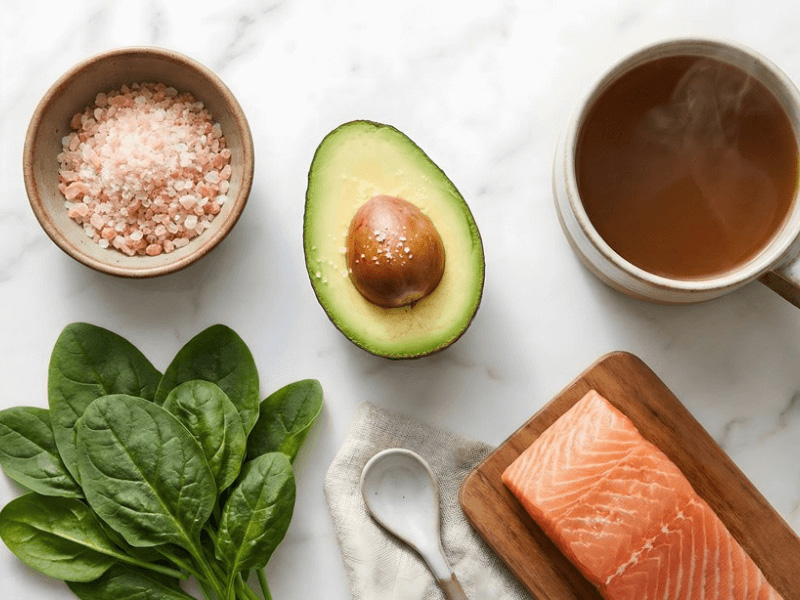
- Sodium: Don’t fear the salt shaker. Liberally salt your food with high-quality sea salt or Himalayan pink salt. Drink a cup of warm broth daily.
- Potassium: Avocado, spinach, mushrooms, and salmon are your best low-carb sources.
- Magnesium: Supplement with magnesium glycinate or citrate before bed. It aids sleep and muscle function.
Treat electrolytes as foundational, not optional. They are the unsung heroes of a smooth transition into ketosis.
2. Eating Too Many Carbs in Disguise (Net Carbs Confusion)
Understanding Net Carbs
You’re counting carbs diligently, but are you counting the right carbs? This is where many beginners trip. You see “total carbohydrates” on a label and panic. But the metric that truly matters for keto diet success is net carbs.
The formula is simple yet vital: Net Carbs = Total Carbohydrates – Dietary Fiber – Sugar Alcohols (in most cases).
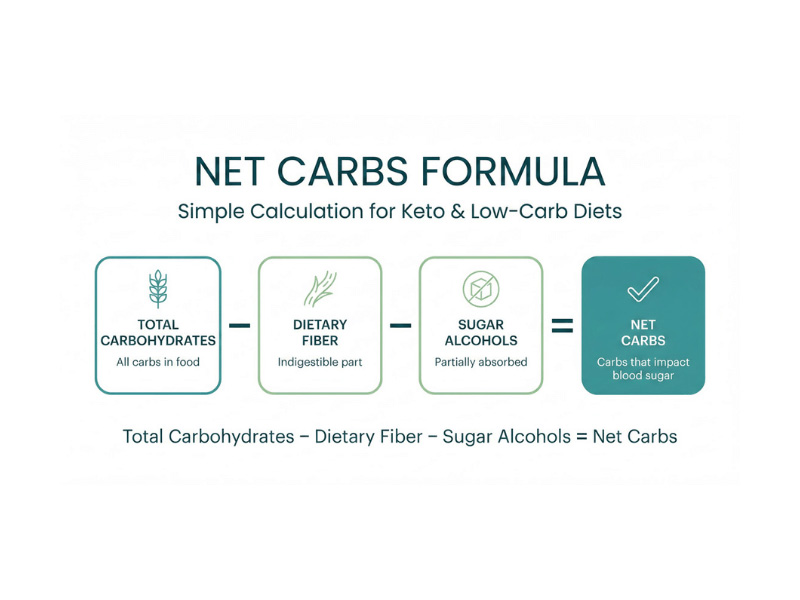
Fiber and certain sugar alcohols (like erythritol and stevia) have a negligible impact on blood sugar for most people. Your body doesn’t digest them as energy. They pass through. Ignoring this distinction can mean you’re consuming double the carbs you think you are, silently halting your progress.
The Fix: Master Net Carb Calculation
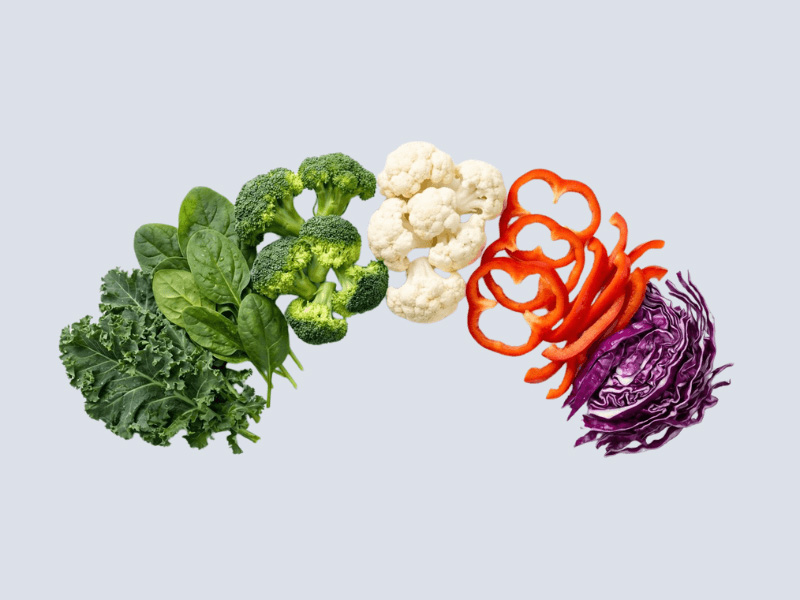
Always calculate net carbs. Focus on whole, fibrous vegetables like broccoli, cauliflower, and leafy greens. They are high in volume and nutrients but low in net carbs, keeping you full and firmly in ketosis.
3. The Protein Paradox: Too Much or Too Little
Finding Your Protein Sweet Spot
Protein is essential. It preserves precious muscle mass, keeps you satiated, and supports countless bodily functions. But on keto, it exists in a delicate balance. Get it wrong, and you’ll hamper your goals.
- Too Little Protein: Can lead to muscle loss, weakness, and constant hunger.
- Too Much Protein: The body can convert excess protein into glucose through a process called gluconeogenesis.
This can potentially bump you out of ketosis, especially in the adaptation phase.
The Fix: Calculate Your Ideal Protein Intake
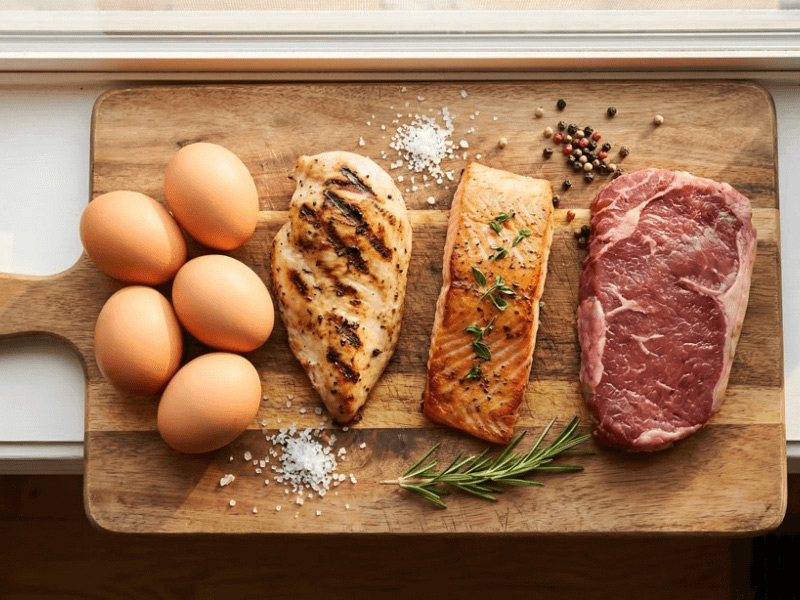
Aim for “moderate” protein. A good starting point is 0.6 to 1.0 grams per pound of lean body mass. Prioritize quality halal sources—eggs, fatty fish like salmon or mackerel, chicken, turkey, grass-fed beef, and lamb—and spread your intake throughout the day.
4. Fear of Fat (The “Low-Fat” Mindset Hangover)
Why Fat Is Your Fuel on Keto
Decades of “low-fat” dogma are hard to unlearn. You see the “high-fat” requirement and instinctively reach for lean chicken breasts and egg whites. This is a critical error. Fat is your primary fuel source on keto. If you don’t eat enough of it, your body has no alternative but to scream for energy. You’ll feel ravenous, tired, and likely quit.
The Fix: Embrace Healthy Fats Deliberately
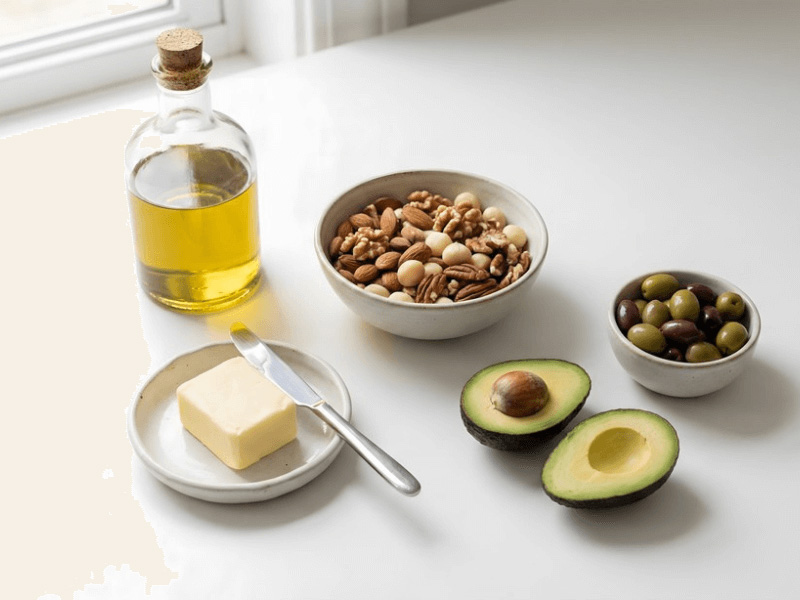
Cook with butter, ghee, avocado oil, and coconut oil. Add olives, nuts, seeds, and fatty cuts of meat to your plate. Fat is not the enemy here; it’s your new best friend, providing long-lasting satiety and the raw materials for ketone production.
5. Overlooking Hidden Sugars and Sneaky Carbs
The Sugar Hiding Game
Sugar hides in plain sight. It’s in salad dressings, marinades, ketchup, processed meats, and even some spices. A dollop here, a splash there—it adds up quickly, pushing you over your carb limit without a single bite of “junk food.”
The Fix: Become a Vigilant Label Reader
Look for words ending in “-ose” (sucrose, dextrose, maltose) and other aliases like maltodextrin, cane juice, or syrup. When possible, make your own sauces and condiments. It’s the only way to know exactly what’s fueling your body.

🎁 Stop Guessing, Start Succeeding
Overwhelmed by all the carb-counting and hidden sugars? You don’t have to figure this out alone.
Get your FREE 7-Day Keto Meal Plan with every macro calculated, every ingredient listed, and zero guesswork. Start your keto journey with confidence—no hidden carbs, no confusion, just results.
6. Not Drinking Enough Water
Why Hydration Is Non-Negotiable on Keto
Hydration on keto isn’t a suggestion; it’s a necessity. This is one of the classic keto mistakes beginners make that can derail your progress. As your body sheds water weight initially, the risk of dehydration increases. Thirst can also masquerade as hunger, leading to unnecessary snacking. Water is essential for every metabolic process, including fat breakdown.
The Fix: Drink Water Consistently Throughout the Day
Don’t wait until you’re thirsty. A good baseline is to aim for half your body weight (in pounds) in ounces. For example, a 160-pound person should target at least 80 ounces daily. Add a pinch of salt to your water to enhance absorption.

7. Relying Heavily on Processed “Keto” Products
The Processed Food Trap
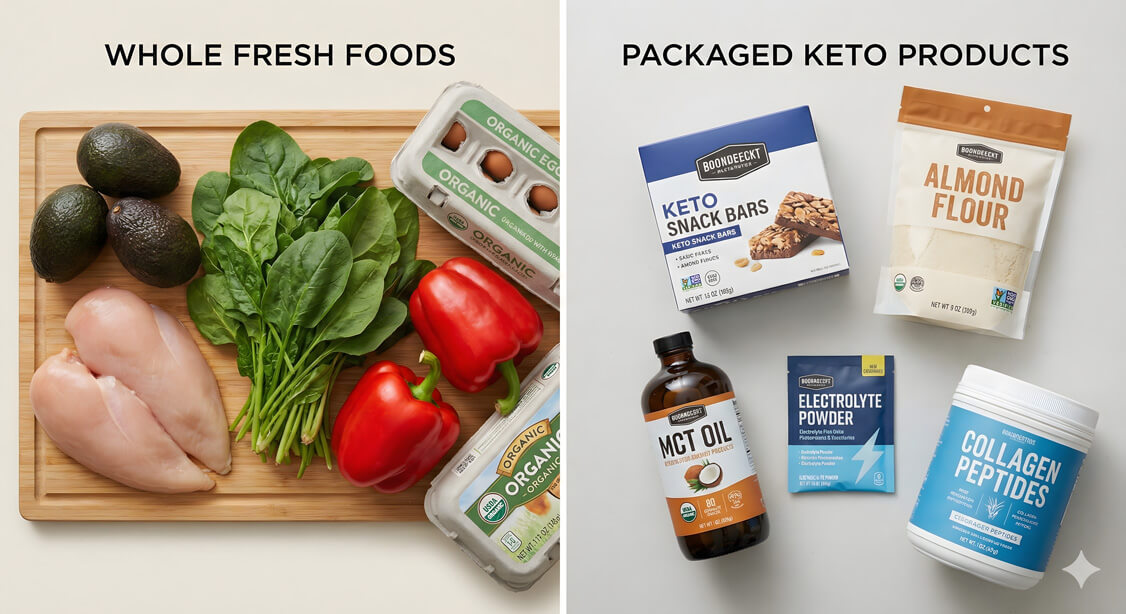
The grocery aisle is now packed with “keto-friendly” bars, cookies, and breads. While convenient, these are often landmines of inflammatory oils, questionable sweeteners, and excessive additives. They can stall weight loss, trigger cravings, and disrupt your gut health. They teach you to replicate old, unhealthy habits with new ingredients.
The Fix: Prioritize Whole Foods
Use these products as occasional treats, not staples. Build 90% of your diet from whole, single-ingredient foods: halal meats (chicken, beef, lamb, turkey), fish, eggs, above-ground vegetables, and natural fats. Your body will thank you for the clarity and results.
8. Ignoring Micronutrient Density
Beyond Macros: The Micronutrient Gap
Focusing solely on macros (fat, protein, carbs) while ignoring micronutrients (vitamins and minerals) is like building a house with bricks but no mortar. Magnesium, potassium, vitamins D, K, and the B-complex are crucial for energy, hormone regulation, and overall health. A plate of just cheese and fatty meat, while technically low-carb, is a nutrient desert.
The Fix: “Eat the Rainbow” From Low-Carb Sources
Prioritize dark leafy greens, cruciferous vegetables, organ meats (in small amounts), seafood, and berries. Consider a quality multivitamin or specific supplements to fill any gaps.
9. Impatience with Adaptation and the Scale
Understanding Fat Adaptation
Ketosis is a metabolic adaptation, not a light switch. It takes most people 2-4 weeks to become “fat-adapted,” where the body efficiently burns fat for fuel. During this time, water weight fluctuations are normal. This is one of the most common keto mistakes beginners make when tracking progress.
The Fix: Measure Progress Beyond the Scale
Take body measurements, notice how your clothes fit, track your energy levels, and monitor your sleep quality. Give your body the grace and time it needs to rebuild its metabolic machinery. Trust the process.

10. Failing to Plan (The “I’m Hungry, Now What?” Crisis)
The Planning Problem
You’re busy. You get home tired and hungry. Without a plan, the easiest option wins, and that’s often non-keto. Failing to plan is among the top keto mistakes beginners make that derails even the most motivated people. Winging it is the fastest path off the rails.
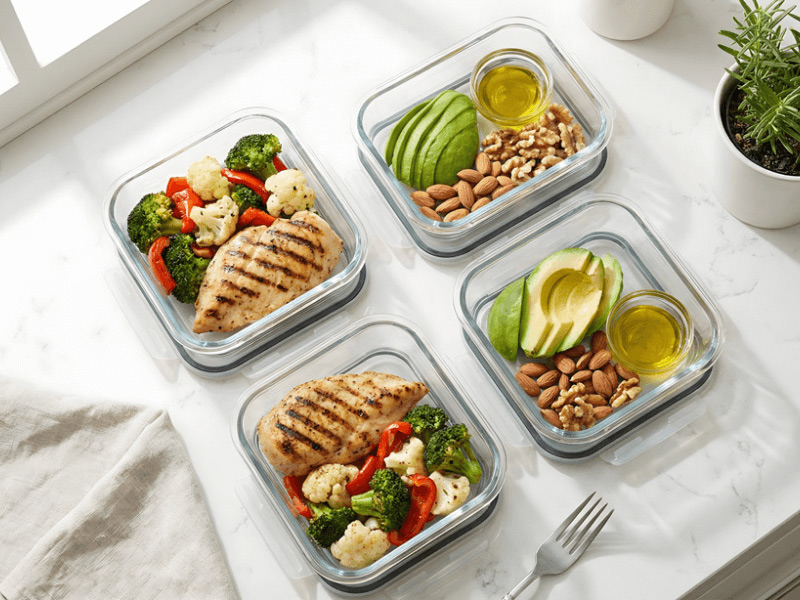
The Fix: Embrace Meal Prep
It doesn’t have to be elaborate. Dedicate 90 minutes on a weekend to hard-boil eggs, chop vegetables, cook a large batch of protein, and make a versatile dressing. Having keto diet-friendly food ready and accessible is your single greatest defense against poor choices.
🎯 Get Your Personalized Keto Roadmap
Meal prep feeling daunting? Imagine having a personalized keto plan designed specifically for your body, preferences, and goals.
Take the Keto Creator Custom Diet Quiz and get a tailored roadmap in minutes. No more guessing what to eat or when—just follow your custom plan and watch the transformation happen.
11. Not Listening to Your Own Body
The One-Size-Fits-All Myth
Keto is a framework, not a rigid, one-size-fits-all cult. Avoid this beginner keto error by recognizing that some people thrive on 30 grams of net carbs, others need 20. Some feel great with two meals a day, others need three. Blindly following someone else’s plan without self-awareness is a classic beginner misstep.
The Fix: Become the Expert on Your Own Body
Use keto principles as your guide, but become the expert on your own body. Experiment with carb levels, meal timing, and food types. How do you feel? Energized or sluggish? Satisfied or craving? Use this biofeedback to personalize your approach for sustainable success.

Conclusion: Your Path to Keto Mastery
Embarking on a ketogenic lifestyle is a journey of learning and adjustment. Recognizing and avoiding these common keto mistakes beginners make is what separates short-term struggle from long-term, transformative success. Each pitfall has a logical, manageable solution. It boils down to this: prioritize electrolytes and water, master your macros, choose whole foods over processed substitutes, plan ahead, and practice patience with your unique biology.
Ready to never run out of delicious keto meal ideas? Grab the 500 Delicious Keto Recipes Cookbook and discover hundreds of mouthwatering, macro-friendly dishes that make sticking to keto effortless and enjoyable. From quick weeknight dinners to impressive weekend meals, you’ll always have something exciting to cook.
Remember, the keto diet is not about perfection; it’s about progression. You now have the knowledge to navigate the early challenges with confidence. Don’t fear the missteps—they are your greatest teachers. Implement these fixes, tune in to your body’s signals, and watch as the powerful benefits of ketosis truly unfold. Your journey to becoming keto-adapted, in the most seamless way possible, starts now.
Frequently Asked Questions
What are the most common keto mistakes beginners make?
The most common keto diet mistakes include neglecting electrolytes (causing keto flu), miscalculating net carbs, eating too much or too little protein, fearing healthy fats, overlooking hidden sugars in condiments, and failing to plan meals ahead.
How long does keto flu last?
Keto flu typically lasts 3-7 days but can be prevented or minimized by proactively supplementing electrolytes (sodium, potassium, magnesium) and staying well-hydrated from day one.
How many carbs should beginners eat on keto?
Most beginners should aim for 20-30 grams of net carbs per day to enter and maintain ketosis. Net carbs are calculated by subtracting fiber and most sugar alcohols from total carbohydrates.
Why am I not losing weight on keto?
Common reasons include eating too many hidden carbs, consuming excess calories from fat, not drinking enough water, inadequate sleep, or not giving your body enough time (2-4 weeks) to become fat-adapted.
Can eating too much protein kick you out of ketosis?
Yes, excessive protein can potentially interfere with ketosis through gluconeogenesis (conversion of protein to glucose), especially during the adaptation phase. Aim for moderate protein: 0.6-1.0 grams per pound of lean body mass.
