You’ve heard the buzz about keto. Maybe you’ve seen the incredible transformation photos or heard a friend rave about their newfound energy and mental clarity. But what is the keto diet, really? And more importantly, what is the keto diet going to do for your health?
So what is the keto diet exactly? Beyond the hype, the ketogenic diet is a proven eating approach that transforms how your body creates energy. It’s not just another fad—millions of people have successfully used keto for weight loss, better focus, and improved health.
In this guide, you’ll discover exactly how the keto diet works, what you can (and can’t) eat, and whether this powerful approach is right for you. Let’s dive in.

🎁 New to Keto? Get Your FREE 7-Day Meal Plan!
Take the guesswork out of starting keto. Download our complete meal plan with grocery list and simple recipes.
We respect your privacy. Unsubscribe anytime.
What Is the Keto Diet? (The Basics)
The keto diet—short for ketogenic diet—is a very low-carb, high-fat eating plan that changes how your body fuels itself.
On a standard diet, your body runs on glucose from carbohydrates. You eat carbs, your blood sugar spikes, insulin is released, and you get a quick burst of energy followed by a crash.
The keto diet flips this script entirely.
How the Keto Diet Works
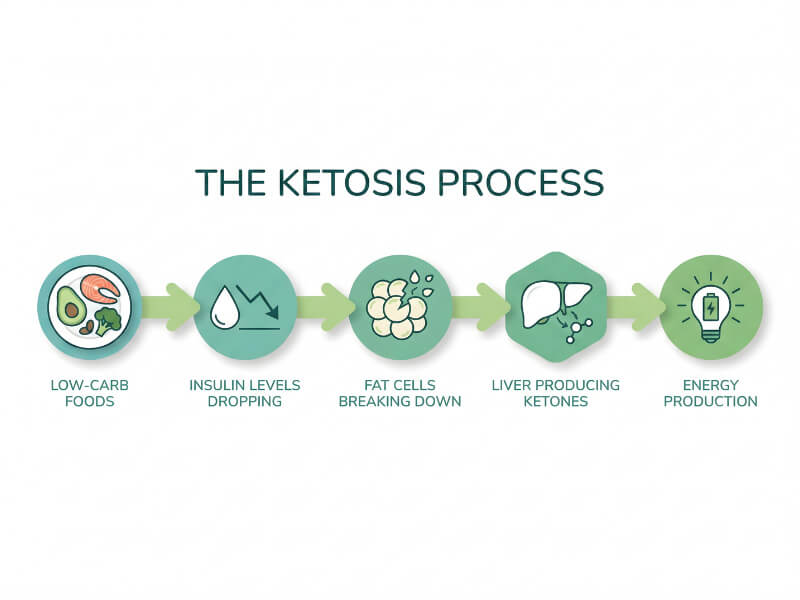
When you drastically reduce carbs (typically to 20-50 grams per day), your body runs out of its preferred fuel source. Insulin levels drop. Your body must adapt.
That’s when something remarkable happens.
Your liver starts breaking down fat—both from food and your body’s stored fat—into molecules called ketones. These ketones become your new primary energy source. Your brain, muscles, and organs run on these ketones instead of glucose.
This metabolic shift is called ketosis. And it’s the goal of the keto diet.
What Is Ketosis?
So what is the keto diet designed to achieve? Ketosis is a natural metabolic state where your body burns fat for fuel instead of carbohydrates.
Think of it like switching your car from regular gasoline to premium fuel. The engine runs smoother, more efficiently, and with fewer breakdowns.
When you’re in ketosis:
- Your energy levels stabilize (no more afternoon crashes)
- Mental fog lifts and focus sharpens
- Hunger naturally decreases because you’re fueling from fat stores
- Fat burning accelerates, leading to weight loss
Most people enter ketosis within 2-4 days of restricting carbs. You’ll know you’re there when you feel increased energy, reduced appetite, and improved mental clarity.
The Science Behind Fat-Burning
To fully understand what is the keto diet doing to your metabolism, here’s what happens in your body on keto:
Day 1-2: You deplete your glycogen (stored carb) reserves. You may feel tired as your body searches for fuel.
Day 3-4: Insulin drops. Your liver ramps up ketone production. You enter ketosis. The “keto flu” may start (more on this later).
Week 2-4: Your body becomes “fat-adapted.” You efficiently burn fat for fuel. Energy returns stronger than before. This is when the magic happens.
The result? Your body becomes a fat-burning machine. You’re no longer dependent on constant carb intake to feel energized.
Keto Diet Macros: Your Food Breakdown
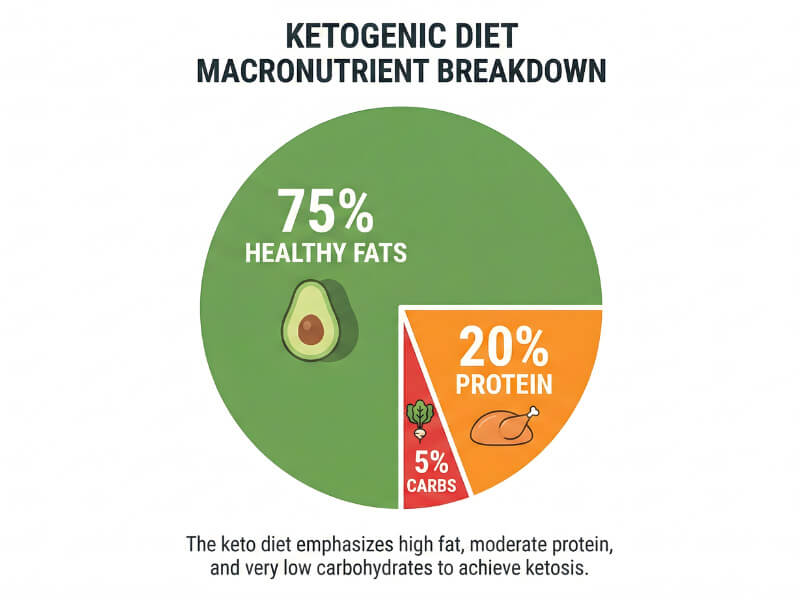
Understanding what is the keto diet macronutrient breakdown is crucial. Success on keto isn’t about guesswork. It requires hitting specific macronutrient ratios—or “macros” for short.
Here’s the standard keto diet breakdown:
Fat: 70-80% of Daily Calories
Fat is your primary fuel source on keto. This is a high-fat diet by design.
Focus on healthy fats like:
- Avocados and avocado oil
- Extra virgin olive oil
- Coconut oil and MCT oil
- Grass-fed butter and ghee
- Fatty fish (salmon, mackerel, sardines)
- Nuts and seeds (almonds, macadamias, walnuts)
- Full-fat cheese and cream
Don’t fear fat. Your body needs it for energy, hormone production, and nutrient absorption.
Protein: 20-25% of Daily Calories
Protein is crucial for maintaining muscle mass, but too much can kick you out of ketosis. Your body can convert excess protein into glucose through a process called gluconeogenesis.
Aim for moderate protein from:
- Grass-fed beef and lamb
- Chicken and turkey
- Eggs (nature’s perfect food)
- Fatty fish and seafood
- Full-fat Greek yogurt (in moderation)
A good rule: eat a palm-sized portion of protein with each meal.
Carbs: 5-10% of Daily Calories
This is the non-negotiable part. To achieve and maintain ketosis, you must keep carbs very low—typically 20-50 grams of net carbs per day.
Most beginners should start at 20-25 grams to ensure success.
Understanding Net Carbs
Net carbs are what count on keto. Calculate them like this:
Net Carbs = Total Carbs – Fiber
Fiber is a carbohydrate, but it doesn’t spike blood sugar or prevent ketosis. That’s why fibrous vegetables like broccoli and spinach are keto staples—they’re high in nutrients and fiber but low in net carbs.
Example: 1 cup of broccoli has 6g total carbs and 2.4g fiber = 3.6g net carbs ✓
What to Eat on the Keto Diet
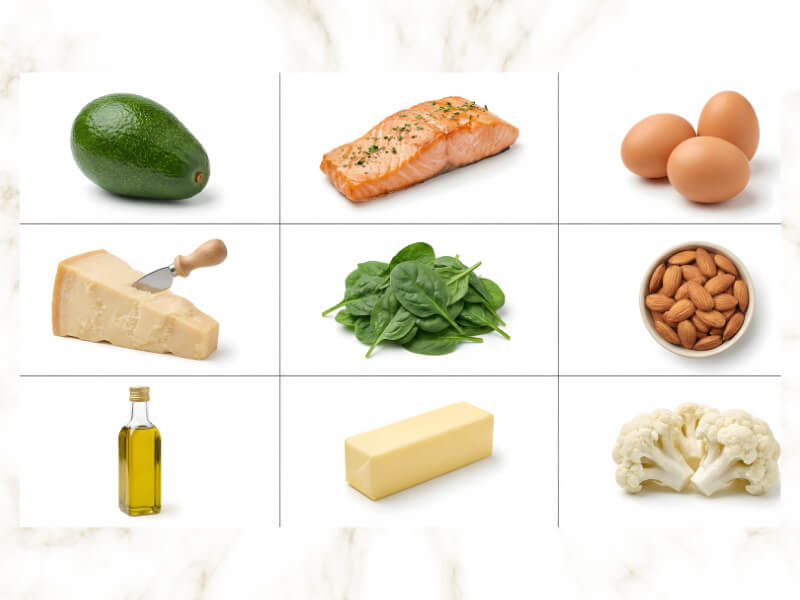
Your grocery shopping looks completely different on keto. Here’s your guide to building a keto-friendly kitchen.
Keto-Friendly Foods (Eat These)
Healthy Fats & Oils:
- Avocado oil, olive oil, coconut oil
- Butter, ghee, tallow
- MCT oil (great for coffee)
Proteins:
- Grass-fed beef, lamb, chicken, turkey
- Fatty fish: salmon, mackerel, trout, sardines
- Eggs (as many as you want)
- Seafood: shrimp, crab, lobster
Low-Carb Vegetables:
- Leafy greens: spinach, kale, arugula, lettuce
- Cruciferous veggies: broccoli, cauliflower, Brussels sprouts
- Others: zucchini, asparagus, bell peppers, mushrooms, cucumber
Full-Fat Dairy:
- Hard cheeses: cheddar, mozzarella, parmesan, gouda
- Heavy cream, sour cream
- Full-fat Greek yogurt (watch portions)
- Cream cheese
Nuts & Seeds (in moderation):
- Macadamias, pecans, walnuts, almonds
- Chia seeds, flaxseeds, pumpkin seeds
- Nut butters (no added sugar)
Beverages:
- Water (your best friend)
- Black coffee, tea (unsweetened)
- Sparkling water, bone broth
For a complete printable version, download our keto food list guide.
Foods to Avoid on Keto
These high-carb foods will kick you out of ketosis:
Grains & Starches:
- Bread, pasta, rice, cereal, oats
- Wheat products, corn, quinoa
Sugary Foods & Drinks:
- Soda, juice, sports drinks
- Candy, ice cream, cake, cookies
- Most fruits (except small portions of berries)
Legumes:
- Beans, lentils, chickpeas
Root Vegetables:
- Potatoes, sweet potatoes
- Carrots (in large amounts), beets, parsnips
Processed “Low-Fat” Foods:
- Often loaded with hidden sugars
- Check labels carefully
Unhealthy Fats:
- Processed vegetable oils: canola, soybean, corn oil
- Trans fats, margarine
Alcohol:
- Beer, sweet wines, cocktails
- Some spirits are okay in moderation (vodka, whiskey, tequila)
Ready to Start Keto?
Download our FREE Keto Food List with 50+ approved foods, organized by category. Perfect for grocery shopping!
We respect your privacy. Unsubscribe anytime.
Benefits of the Keto Diet
Why do millions of people follow keto? The benefits extend far beyond the scale. Understanding what is the keto diet can do for your health helps explain its popularity.
Effective Weight Loss
Keto is one of the most effective diets for fat loss. Here’s why:
- Appetite regulation: Fat and protein keep you full longer. You naturally eat less.
- Fat burning: Your body becomes efficient at burning stored fat.
- Insulin reduction: Lower insulin levels make it easier to access fat stores.
- Water weight loss: Initial weight loss (5-10 lbs in week 1) is mostly water as glycogen depletes.
Many people lose 1-2 pounds per week consistently after the initial water loss.
Mental Clarity and Steady Energy
Say goodbye to brain fog and afternoon crashes.
Ketones are an incredibly efficient fuel for your brain. Many people report:
- Sharper focus and concentration
- Better memory and cognitive function
- Steady energy throughout the day (no more 3 PM slump)
- Improved mood and reduced anxiety
This is one of the most commonly reported benefits of keto.
Blood Sugar Control
The keto diet can dramatically improve blood sugar and insulin levels.
This makes it valuable for:
- Managing type 2 diabetes
- Reversing insulin resistance
- Preventing blood sugar spikes and crashes
- Reducing cravings for sugary foods
Many people with type 2 diabetes have reduced or eliminated their medication on keto (always consult your doctor first).
Other Health Benefits
Research shows keto may also help with:
- Heart health: Improved triglycerides, HDL cholesterol, and blood pressure
- Reduced inflammation: Lower inflammatory markers throughout the body
- Better skin: Reduced acne and improved complexion
- Hormonal balance: Especially beneficial for PCOS
- Increased longevity: Potential anti-aging effects

Common Keto Challenges (And How to Fix Them)
Let’s be honest: the first week can be rough. But it doesn’t have to be.
The Keto Flu
As your body transitions to burning fat, you might experience:
- Fatigue and low energy
- Headaches
- Irritability or “brain fog”
- Muscle cramps
- Nausea
This is called the “keto flu.” It’s temporary and completely avoidable.
How to prevent it:
1. Increase electrolytes:
- Sodium: 3,000-5,000mg daily (drink bone broth, add salt to food)
- Potassium: 3,000-4,000mg (avocados, spinach, salmon)
- Magnesium: 300-400mg (supplement or eat pumpkin seeds, almonds)
2. Stay hydrated:
- Drink at least 8-10 glasses of water daily
- More if you exercise
3. Don’t restrict calories:
- Eat enough fat to feel satisfied
- Your body is adapting; don’t stress it further
4. Rest:
- Take it easy the first week
- Avoid intense workouts initially
Most keto flu symptoms disappear within 3-7 days.
Electrolyte Balance
This is the #1 mistake beginners make.
When you cut carbs, insulin drops. Your kidneys release sodium and water. You lose electrolytes rapidly.
Solution: Actively replenish electrolytes daily. This isn’t optional.
Simple trick: Drink a cup of bone broth or bouillon daily. Add a pinch of pink Himalayan salt to your water.
Staying Consistent
Meal planning is your secret weapon.
Tips for long-term success:
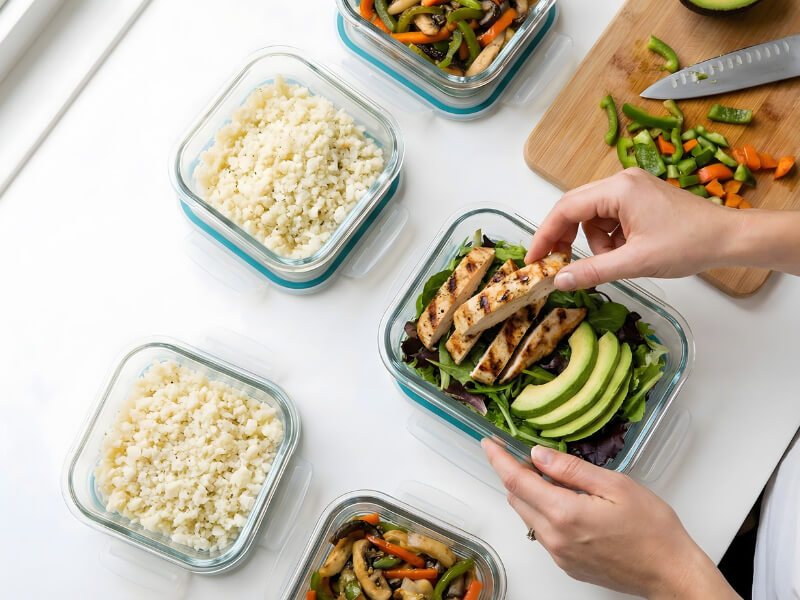
- Prep meals in advance: Batch cook on Sundays
- Keep it simple: Repeat meals you enjoy
- Have keto snacks ready: Cheese, nuts, hard-boiled eggs
- Track your food: Use an app like Cronometer or MyFitnessPal for the first month
- Join a community: Support makes all the difference
Looking for meal ideas? Browse our collection of easy keto recipes.
Is the Keto Diet Right for You?
When deciding what is the keto diet’s suitability for your lifestyle, remember that keto isn’t a one-size-fits-all solution. It works brilliantly for many people, but it requires commitment.
Keto may be great for you if:
- You want significant weight loss
- You struggle with blood sugar or insulin resistance
- You have type 2 diabetes (with doctor supervision)
- You want improved mental clarity and focus
- You enjoy high-fat foods
- You’re willing to track your food initially
Keto may not be ideal if:
- You’re pregnant or breastfeeding
- You have kidney disease
- You’re a competitive athlete requiring explosive power
- You have a history of disordered eating
- You take certain medications (always consult your doctor)
The bottom line: Keto is a powerful tool, but it’s not the only path to health. The best diet is the one you can stick with while feeling your best.
Listen to your body. If keto makes you feel amazing, that’s your answer.
Frequently Asked Questions
What is the keto diet, how long does it take to get into ketosis?
Most people enter ketosis within 2-4 days of restricting carbs to under 50 grams per day. However, full fat-adaptation (where your body becomes efficient at burning fat) can take 2-4 weeks. You can test ketosis using urine strips, blood meters, or breath analyzers, but physical signs include increased energy, reduced hunger, and mental clarity.
Can I eat fruit on the keto diet?
Most fruits are too high in carbs for keto, but small portions of berries are acceptable. A quarter cup of raspberries (1.5g net carbs), blackberries (3g net carbs), or strawberries (2g net carbs) can fit into your daily carb limit. Avoid high-sugar fruits like bananas, apples, oranges, and grapes, which can quickly exceed your carb allowance.
Is the keto diet safe long-term?
For most healthy adults, the keto diet is safe long-term when done correctly with nutrient-dense whole foods. However, it’s essential to eat a variety of low-carb vegetables, ensure adequate protein, and focus on healthy fats. Consult your healthcare provider before starting keto, especially if you have kidney disease, are pregnant, or take medications for diabetes or blood pressure.
How many carbs can I eat on keto?
The standard keto diet limits carbs to 20-50 grams of net carbs per day. Beginners should start at 20-25 grams to ensure ketosis. As you become fat-adapted, some people can maintain ketosis with up to 50 grams, but this varies individually. Track your carbs using an app like Cronometer or MyFitnessPal for accuracy.
Do I need to count calories on keto?
While calorie counting isn’t mandatory on keto, it can be helpful for weight loss goals. Many people naturally eat fewer calories on keto due to reduced hunger and increased satiety from fat and protein. However, if weight loss stalls, tracking calories alongside macros can help identify issues. Focus on eating until satisfied, not stuffed.
Ready to Start Your Keto Journey?
Now you know what the keto diet is, how it works, and what it can do for your health.
The keto diet isn’t just about losing weight—it’s about transforming how your body creates energy. It’s about stable blood sugar, mental clarity, reduced inflammation, and feeling your best.
Starting keto requires commitment, but the rewards can be life-changing. Focus on whole, nutrient-dense foods. Stay on top of your electrolytes. Give your body 2-4 weeks to adapt. And most importantly, listen to how you feel.
Your journey to better health starts with a single decision. Why not make today that day?
Start Your Keto Journey Today!
Get your FREE 7-Day Keto Meal Plan with:
✓ Complete meal-by-meal guide
✓ Grocery shopping list
✓ Easy 30-minute recipes
✓ Macro breakdowns for each meal
Join 10,000+ people who’ve started keto the right way!
We respect your privacy. Unsubscribe anytime.
